Electric Bikes: The Fun Way to Commute Without Sweating
E-bikes are quietly replacing cars for millions of commuters, and the best part is showing up to work without looking like you just ran a 10K. Here's what you need to know before buying one.
· 11 MIN READ
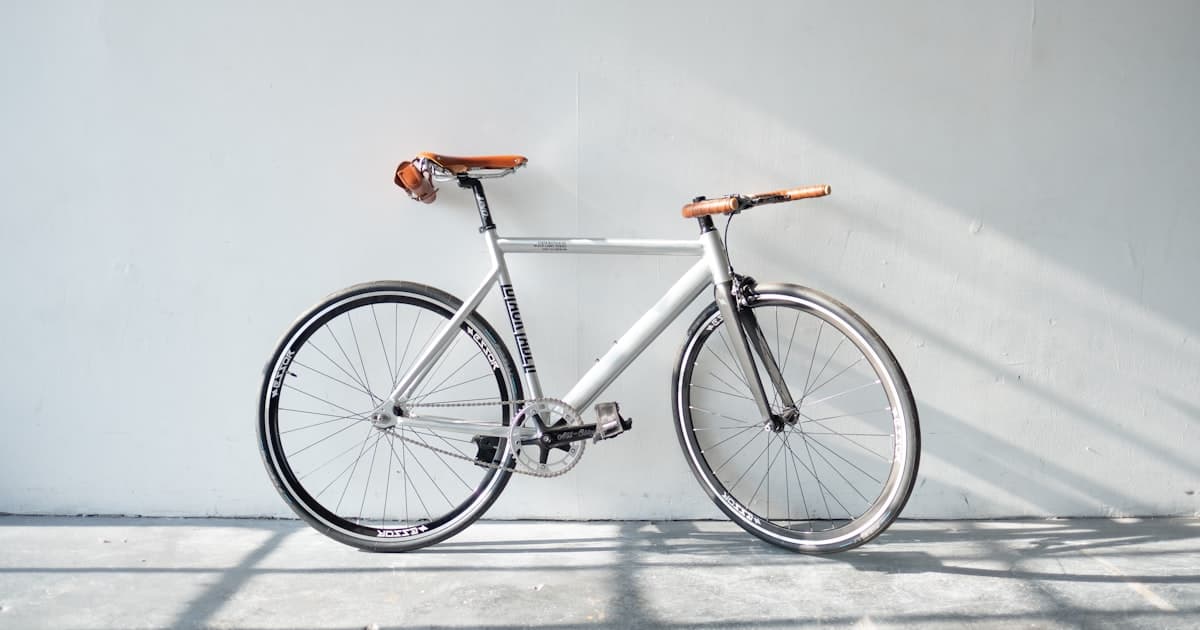
Let me paint you a picture. It's 8:15 AM on a Tuesday. I'm cruising down a bike lane at 22 miles per hour, passing a line of cars that have been stuck at the same light for three cycles. Wind in my face. Coffee in my blood. I feel like I'm in a commercial for being alive. I arrive at work seven minutes later, park at the bike rack, and walk inside looking exactly like I looked when I left my apartment. No pit stains. No helmet hair (okay, some helmet hair). No thirty-minute search for parking. No gas burned. No road rage consumed.
This is what commuting on an electric bike is like, and I genuinely don't understand why every person who lives within ten miles of their workplace isn't doing it.
A year ago, I was a regular car commuter. Eight miles each way, which should take fifteen minutes and regularly took forty-five because I live in a city that was apparently designed by someone who hated the concept of flowing traffic. I'd thought about biking, but eight miles on a regular bike meant showing up to work looking like I'd just been rescued from a raft. I'd thought about an e-bike, but I had all the standard objections: too expensive, too nerdy, what if it rains, what if someone steals it, am I really going to be that guy?
Then my neighbor let me try his. Three blocks in, I was sold. Three weeks later, I owned one. And now I am, in fact, that guy. And that guy is happy.
What an E-Bike Actually Is (And Isn't)
An electric bike is a regular bicycle with a motor and a battery strapped to it. That's the whole concept. The motor assists your pedaling so hills feel flat, headwinds feel calm, and distances that would normally leave you gassed barely raise your heart rate.
What an e-bike is NOT: a motorcycle, a moped, or a scooter. You still pedal. The motor assists -- it doesn't replace your legs. Most e-bikes sold in the US are "pedal-assist," meaning the motor only kicks in when you're actively pedaling. Some also have a throttle that lets you cruise without pedaling, which is technically cheating but is incredibly useful when you're going up a hill and your pride is no longer worth the quad burn.
There are three classes of e-bikes, and this matters because regulations vary by city and state:
Class 1: Pedal-assist only, motor cuts out at 20 mph. These are allowed on most bike paths and are the most universally accepted. If you're not sure which class to get, Class 1 is the safe choice.
Class 2: Pedal-assist plus throttle, motor cuts out at 20 mph. Same speed limit as Class 1, but you can use the throttle to move without pedaling. Useful for intersections, hills, and moments when you're just tired and want to coast.
Class 3: Pedal-assist only, motor cuts out at 28 mph. Faster but restricted from some bike paths. If your commute is mostly on roads and you want to keep up with traffic, Class 3 is the move. Just check your local laws first.
The "But I'll Look Weird" Objection
I had this objection. I got over it approximately four seconds into my first ride.
Here's who rides e-bikes: commuters in suits, college students with backpacks, moms with kid trailers, retirees who want to keep cycling without destroying their knees, delivery drivers, and approximately one million people in Amsterdam who are cooler than both of us. The stigma of e-bikes being "cheating" or "for old people" is dying fast, and the people clinging to it are the same people who thought smartphones were a fad in 2007.
You know what actually looks weird? Sitting in traffic for forty-five minutes, alone in a car, paying $5 a gallon for gas, while a guy on an e-bike breezes past you smiling. That looks weird. The e-bike guy looks like he has his life figured out.
What to Actually Spend
E-bikes range from $400 to $10,000+, which is an absurdly wide range. Here's how to navigate it.
Under $1,000: The Entry Level. You can get a functional e-bike for $600-900 from brands like Lectric and Ride1Up. These bikes use hub motors (motor in the wheel hub rather than the pedal area), have batteries that last 25-40 miles per charge, and weigh around 55-65 pounds. They're heavier and less refined than more expensive options, but they work. If you're not sure you'll stick with e-biking and don't want to invest heavily, this is a smart starting point.
Underlying figures: NHTSA recall database.
The Lectric XP 3.0 ($999) is probably the most popular entry-level e-bike in America, and for good reason. It's a folding bike, so it fits in a closet or a car trunk. It has a throttle. The range is about 45 miles. It's not sexy, but it's practical, reliable, and costs less than two months of car payments.
$1,000-$2,500: The Sweet Spot. This is where e-bikes go from "fine" to "actually good." You get mid-drive motors (motor at the pedal crank, which feels more natural and handles hills better), better batteries with 40-60 mile range, hydraulic disc brakes, and components that don't feel like they came out of a cereal box.
(Adjacent reading: 15 Legendary Cars That Make Gearheads Lose Their Minds.)
The Ride1Up Prodigy ($1,595) is a Class 3 commuter bike with a mid-drive motor, integrated battery (it doesn't look like a battery is strapped to the bike), and a range of about 50 miles. It looks like a normal bike, which matters more than it should for people worried about the aesthetic thing.
The Aventon Soltera.2 ($1,400) is a clean, fast commuter with a torque sensor that makes the pedal assist feel incredibly natural. It weighs about 40 pounds, which is light for an e-bike, and the integrated lights and fenders make it genuinely commute-ready out of the box.
For the underlying data, see IIHS vehicle ratings.
$2,500+: The Premium Tier. This is where you get bikes from Trek, Specialized, Cannondale, and other traditional bike manufacturers who've entered the e-bike game with serious engineering. The ride quality, components, and integration at this level are genuinely impressive. A $4,000 Specialized Turbo Vado feels like riding a regular premium bike that happens to have superpowers.
Is it worth it? If you're replacing a car -- if the e-bike becomes your primary transportation -- then yes, absolutely. A $3,000 e-bike that replaces a car saves you thousands per year in gas, insurance, parking, and maintenance. If you're using it recreationally a few times a month, probably not.
The Commute: What It's Actually Like
My commute is 8 miles each way. On a car, it takes 25-45 minutes depending on traffic. On my e-bike, it takes 22-25 minutes every single time, because bike lanes don't have traffic jams. That consistency alone has been life-changing. I know exactly when I need to leave. I never sit in traffic wondering if I should have taken a different route. I never arrive late because of an accident three miles away that has nothing to do with me.
Here's what a typical commute looks like:
- Leave apartment. Unlock bike from rack in building lobby. Wheel it outside. Put on helmet.
- Ride seven blocks on bike lane to the river path. Pedal normally -- the motor barely kicks in on flat ground.
- Hit the hill on Riverside. The motor engages more heavily. I'm still pedaling, but the hill that used to gas me on a regular bike now feels like a slight incline. Heart rate stays at "gentle walk" level.
- Cruise along the river path for three miles. This is the beautiful part. Water on one side, trees on the other, earbuds in, podcast playing.
- Navigate city streets for the last mile. The throttle is useful here for quick starts at traffic lights.
- Arrive at work. Lock bike. Walk inside. Not sweating.
The whole thing takes 23 minutes and costs about 5 cents in electricity to charge. My car commute cost roughly $6 in gas per day, plus monthly parking at $150. Over a year, the math isn't even close.
Rain, Winter, and Other Excuses
"But what about rain?" It rains. You get wet. Or you wear a rain jacket. This is genuinely the entire answer to this question. Your bike is fine in rain. You are fine in rain. Humans are waterproof.
"But what about winter?" This depends heavily on where you live. If you're in Minneapolis, yeah, maybe the e-bike is a three-season vehicle. If you're in Portland, Nashville, or anywhere with mild winters, you can ride year-round with appropriate layers. Studded tires exist for icy conditions, and they work. The cold-weather riding thing sounds worse than it is -- you warm up within two minutes of pedaling, and the motor means you're never working hard enough to sweat through your layers.
"But what about theft?" This one's legitimate. E-bikes are theft targets. Get a good U-lock (not a cable lock -- those can be cut with garden shears). Lock through the frame and rear wheel. If your workplace has indoor bike parking, use it. If your building has a secure room, use that. I also have insurance on my bike through my renter's policy, which costs about $12 extra per month and covers theft. Worth it for peace of mind.
The Fitness Question
"But am I getting exercise?" Yes. Less than a regular bike, but significantly more than a car, a bus, or a couch. Studies have shown that e-bike commuters get moderate-intensity exercise during their rides -- their heart rates elevate, their legs are working, they're burning calories. It's not a spin class, but it's 45 minutes of moderate activity per day (both ways combined) that you'd otherwise spend sitting.
More importantly, the exercise happens without you deciding to exercise. You're not "going to the gym." You're going to work. The exercise is a side effect of transportation. This is the most sustainable form of fitness there is, because it requires zero motivation. You don't have to want to exercise. You just have to want to get to work.
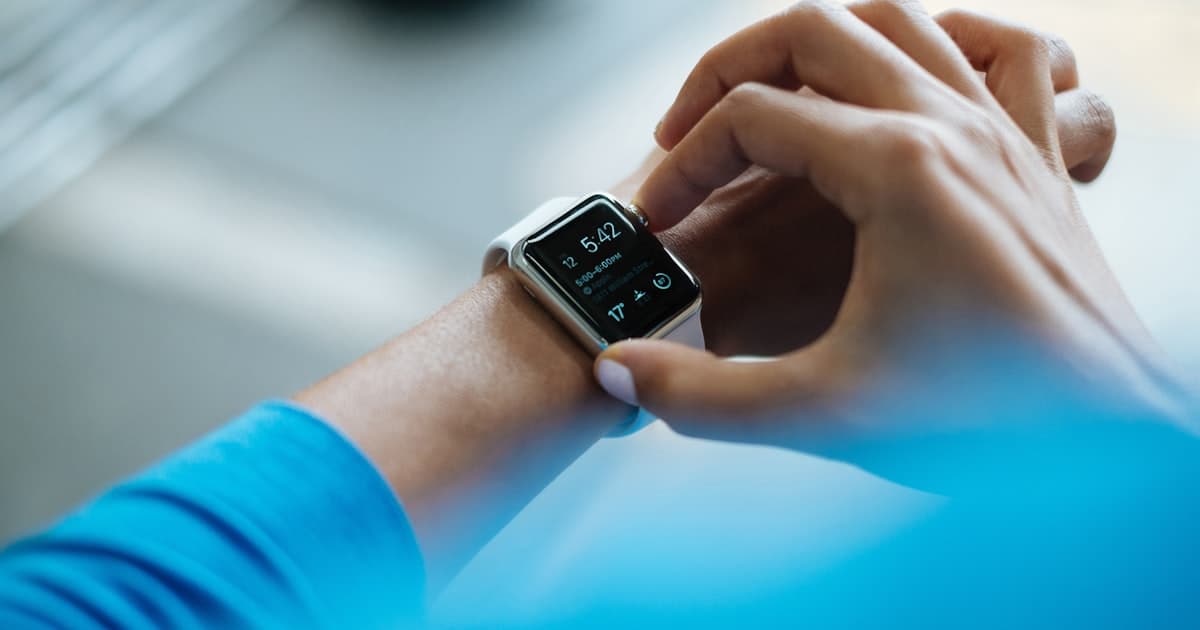
If the whole idea of building fitness into your daily life without making it a whole thing resonates with you, the question of whether to ditch your car for an EV is worth considering too -- though I'd argue the e-bike is an even bigger quality-of-life upgrade. And if you want to track what the riding is actually doing for your body, the right wearable that you won't hate wearing can show you exactly how many calories you're burning and what your heart rate does during the commute.
The Bottom Line
An e-bike is the most fun I've had commuting in my entire adult life, and I did not expect to type that sentence when I started writing this. I expected to write something practical about cost savings and carbon footprints and transportation efficiency. And all of that is true -- the e-bike saves me money, it's better for the environment, and it's objectively faster than my car was.
But the real reason I ride it every day is simpler: it's genuinely fun. It makes me smile on my way to work. That's a ridiculous thing to say about a commute, and I stand by it completely.
Try one. Rent one for a weekend from a local bike shop. Borrow one from someone who won't shut up about theirs (we all know that guy -- and fine, I'm now that guy). Just ride it for ten minutes. If you don't come back grinning, I'll eat my helmet.
Further reading and primary sources
Background and primary-source references for the claims and recommendations above. Linked references are intended for readers who want to verify a claim, dig deeper into a topic, or check the underlying data themselves.
- NHTSA recall database — official U.S. government recall + safety-defect lookup, by VIN or model.
- IIHS vehicle ratings — Insurance Institute for Highway Safety crash-test and safety ratings.
- EPA fuel economy database — official EPA fuel-economy and emissions data for every model year.

About the writer
Daniel Reyes
Senior writer — Fitness, Cars & Sports
Read more from Daniel — full archive, full bio, and contact on their writer page.
Share this story
More from Daniel
Spot a problem with this piece? Email info@luba.media.