10 Driving Roads in America That Are Worth Planning Your Entire Trip Around
Forget the highway. These are the roads where driving becomes the destination — switchbacks, scenery, and the kind of curves that make you glad you own a car with a manual transmission.
· 9 MIN READ
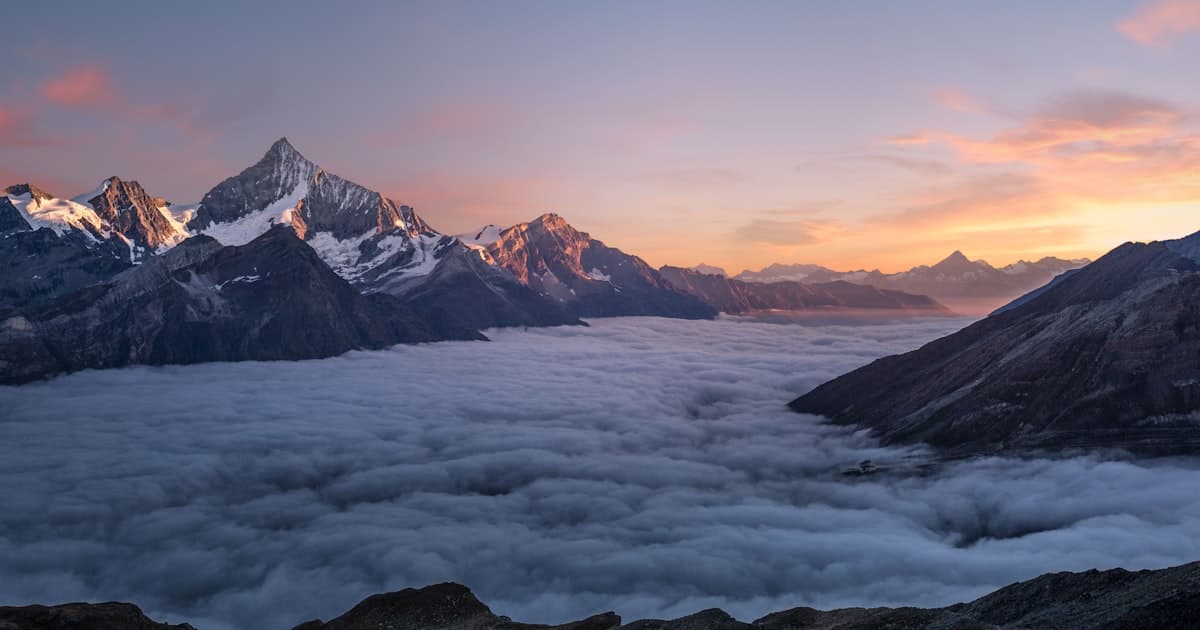
I've driven across this country more times than I can count on two hands, and I've learned one thing that took me embarrassingly long to figure out: the destination is almost never the point. The point is the road you take to get there.
Most people treat driving as a necessary evil — something to tolerate between the airport and the hotel. I feel sorry for those people. There are roads in this country that will fundamentally change the way you think about your car, about moving through space, about what a Tuesday afternoon can actually feel like when you put the windows down and stop watching the clock.
These are ten of them. Not all of them are famous. A couple will surprise you. All of them are worth rearranging your entire travel calendar to drive.
1. Tail of the Dragon — Deals Gap, NC/TN
If you've ever been to a car meet and someone's wearing a Tail of the Dragon shirt, you already know. 318 curves in 11 miles. No intersections. No driveways. Just a ribbon of asphalt through the Cherokee National Forest that was designed, it seems, purely to punish timid drivers and reward the brave ones.
I've driven it three times. The first time, I was in a buddy's WRX and I thought I understood what tight corners meant. I did not. By mile two I was laughing involuntarily, the kind of laugh that just escapes your body when your brain can't process the input fast enough. Go in September when the leaf color is starting and the tourist RVs have thinned out. Go early — like 7am early. The Tree of Shame at the end, where people nail pieces of their broken cars after crashes, is worth a grim look.
2. Pacific Coast Highway — California
Route 1 through Big Sur is the postcard version, but the whole stretch from Malibu up through Cambria is one long argument for buying a convertible. The Pacific sits on your left like a smug reminder that life can be beautiful, and the Santa Lucia mountains crowd your right shoulder the entire way.
What people don't tell you: Bixby Bridge is always crowded and always worth stopping for anyway. And the stretch just south of Ragged Point, where the road narrows and the fog rolls in off the water — that's the section that gets you. Drive it northbound in late spring before the summer traffic turns it into a parking lot. Plan two days minimum, not because the miles are that far but because you'll stop constantly and you should.
3. Blue Ridge Parkway — NC/VA
469 miles of federally protected scenic highway with no commercial vehicles, no billboards, and no reason to be in a hurry. The Parkway rolls along the spine of the Appalachians from Shenandoah National Park all the way down to the Smokies, and it's the kind of road that makes you understand why people talk about roads the way they talk about rivers — like they're alive.
Underlying figures: NHTSA recall database.
October is peak leaf season and the overlooks are legitimately breathtaking, but my personal favorite is late April when the rhododendrons are blooming at elevation. You'll hit patches of fog in the morning, then it burns off around 10am and the whole world opens up. Bring a thermos.
4. Going-to-the-Sun Road — Glacier National Park, MT
Fifty miles across the Continental Divide, cut into the side of a mountain that has absolutely no business having a road on it. The Logan Pass section, near the top, is the kind of engineering that makes you wonder what the people who built it were thinking — and extremely grateful they thought it anyway.
You need a timed-entry permit in summer. Get it. It's worth the hassle. The Gardner Tunnel, where you emerge from under a snowfield into full view of the valley below, is one of those moments where you pull over and just sit there for a while because there's nothing else to do. The road is only open roughly late June through mid-October. Plan accordingly and accept no substitutes.
5. Beartooth Highway — MT/WY
This one is legitimately unhinged in the best possible way. US-212 climbs to nearly 11,000 feet and then just... stays up there for a while, crossing a high plateau that looks more like Alaska or the surface of another planet than anything you'd expect to find in the lower 48. There are switchbacks that go on forever, snowfields in July, and views that make you feel genuinely small.
(For related context, see How I Went From Couch Potato to Running a Half Marathon in 6 Months.)
Chief Joseph Scenic Byway feeds right into it and together they make a full-day drive that belongs on the short list of American driving experiences. The closest thing I can compare it to is driving through a place that doesn't entirely believe it's real.
6. Million Dollar Highway — CO
US-550 between Ouray and Silverton. The name comes from either the cost of construction or the value of gold ore that was backfilled into the road, depending on who you ask. There are no guardrails on significant stretches of it. That's not a rumor. You are on the edge of a cliff, the cliff is vertical, and there's nothing between your passenger door and the valley floor about 2,000 feet below.
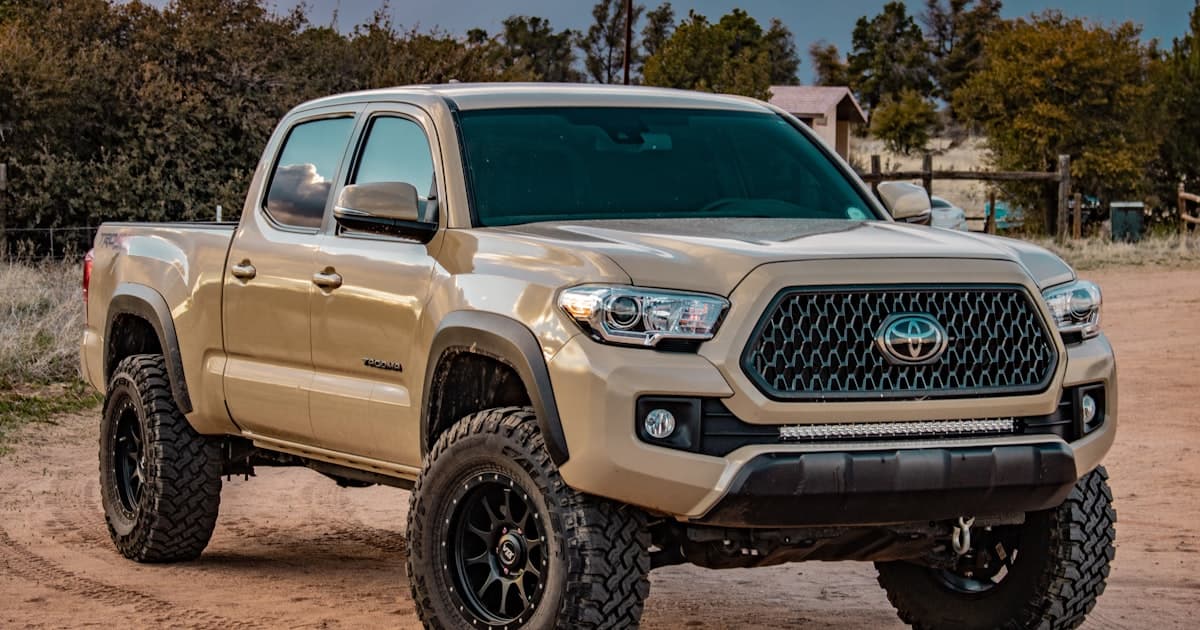
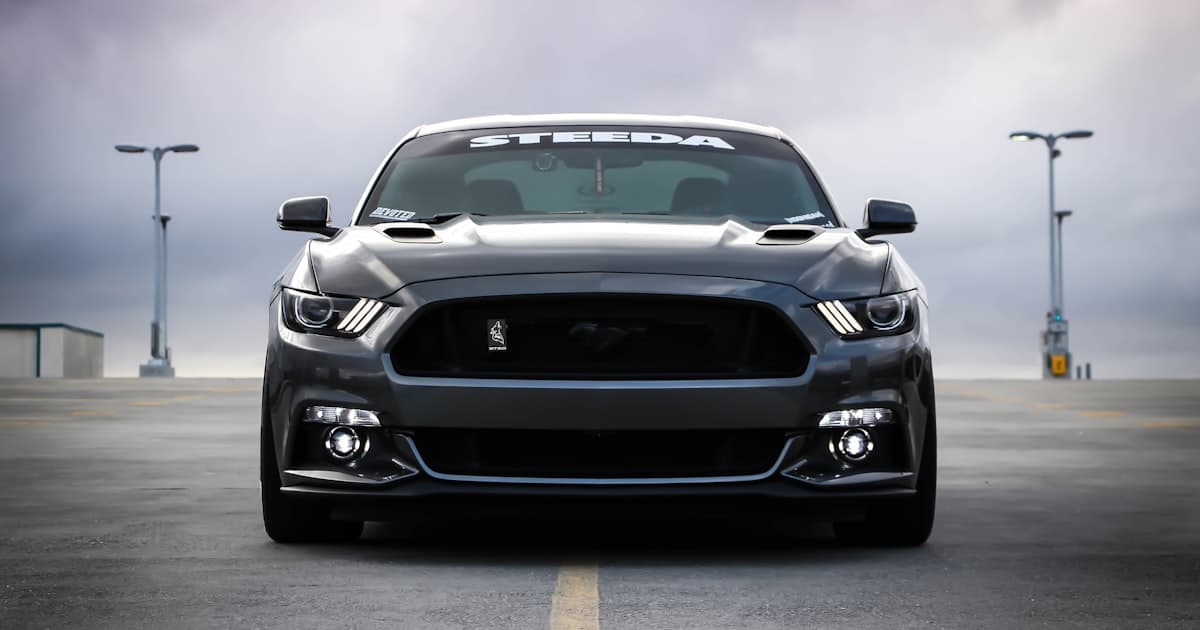
It's genuinely terrifying and absolutely gorgeous and I cannot recommend it strongly enough. Drive it in a car that deserves it — something with a manual, something with some soul. Think about the legendary cars that were built for exactly this kind of driving. September is ideal before the first snowfall closes the passes.
7. Overseas Highway — Florida Keys
US-1 from Miami to Key West is a 113-mile drive over 42 bridges, and for long stretches there is nothing visible outside your windows except open ocean in every direction. It's a fundamentally weird experience — you're driving a car on a road but your brain keeps insisting you're on a boat.
For the underlying data, see IIHS vehicle ratings.
The Seven Mile Bridge is the centerpiece and it earns every bit of its reputation. Midweek in March is the sweet spot: warm enough to drive with the windows down, thin enough on traffic that you can actually breathe. Pull off in Marathon, grab a fish sandwich from somewhere with plastic chairs, and don't apologize for taking your time getting to Key West.
8. Route 66 — Historic (Multiple States)
Nobody drives the whole thing anymore, but nobody should feel guilty about cherry-picking the best sections. The stretch through Arizona — Flagstaff down through Seligman and out to Kingman — is where Old 66 earns its mythology. The neon signs, the diners that haven't updated their menus since 1973, the vast nothing of the high desert pressing in on both sides.
It's the American road trip distilled. There's a reason Steinbeck wrote about it, a reason bands named songs after it. Good road trip planning starts with understanding what you actually want out of the miles — and Route 66 answers the question before you ask it. It wants you to slow down and look.
9. Mulholland Drive — Los Angeles, CA
Okay, hear me out. It's 21 miles and it's in a city. But Mulholland on a Sunday morning at 6am — before the cyclists, before the hikers, before anyone who isn't a little obsessive about driving has gotten out of bed — is one of the pure driving experiences in California. The canyon sections twist hard. The views over the Valley or down toward the Pacific are legitimately insane. And there's something about threading a good car through those corners while the city below is still asleep that feels like you've gotten away with something.
Park at Mulholland and Woodrow Wilson Drive at sunrise. Look both directions. Drive east first, then come back. It's a short road. Drive it twice.
10. Lolo Pass / US-12 — ID/MT (The Sleeper Pick)
Nobody talks about this one and that's exactly why I'm putting it here. US-12 follows the Lochsa River through the Clearwater National Forest for about 100 miles of technical two-lane road with virtually zero traffic. The river runs right alongside you the whole way — sometimes 20 feet off your bumper, sometimes close enough that you could spit into it from the window.
The road has constant rhythm: sweeping bends, short straights, a few real corners that demand your full attention. No cell service. No gas stations for long stretches. Pack a cooler, download your maps offline, and go in July when the river is still running fast from snowmelt. If you see two other cars, it's a busy day. This is what driving used to be.
The interstate gets you there. These roads make you glad you went. There's a difference, and once you feel it, you can't unfeel it. Pick one. Start there. The car you drive them in matters less than people think — though it doesn't not matter — but the willingness to actually show up, to plan around the road instead of despite it, that's everything.
See you out there.
Further reading and primary sources
Background and primary-source references for the claims and recommendations above. Linked references are intended for readers who want to verify a claim, dig deeper into a topic, or check the underlying data themselves.
- NHTSA recall database — official U.S. government recall + safety-defect lookup, by VIN or model.
- IIHS vehicle ratings — Insurance Institute for Highway Safety crash-test and safety ratings.
- EPA fuel economy database — official EPA fuel-economy and emissions data for every model year.

About the writer
Daniel Reyes
Senior writer — Fitness, Cars & Sports
Read more from Daniel — full archive, full bio, and contact on their writer page.
Share this story
More from Daniel
Spot a problem with this piece? Email info@luba.media.