Running Gear That Won't Make You Look Like a Dork
You decided to start running. Great. Now you need shoes, shorts, and a shirt that don't make you look like you raided a clearance bin at a 2009 marathon expo. Here's the no-nonsense guide to gearing up without going broke or looking ridiculous.
· 13 MIN READ

Let me paint the picture. It's January. You've made The Decision. You're going to become a runner. You feel great about it for roughly eleven minutes, and then you look down at what you're wearing -- cotton basketball shorts from college, a free t-shirt you got at a blood drive in 2019, and a pair of sneakers that have been doubling as lawn-mowing shoes since the pandemic -- and you realize you cannot go outside looking like this.
So you go online. And that's where the trouble starts.
Because the running gear industry has apparently decided that the only two options available to men are: (A) spend $400 to look like a competitive triathlete who drinks beet juice for fun, or (B) grab whatever's cheapest at Walmart and pray nobody photographs you. There is a vast, unexplored middle ground here, and that's where we're going today.
I started running about two years ago with basically no plan and even less fashion sense. I've since logged enough miles to have opinions, burned through enough gear to know what matters and what's marketing, and suffered enough chafing in enough places to save you from the same fate. You're welcome.
Shoes: The One Thing You Absolutely Cannot Cheap Out On
I'm going to say something that sounds like it came from a running store employee on commission, but I promise it's genuine: your shoes matter more than everything else on this list combined. I know that's annoying. I know you were hoping I'd say "just grab some Nikes and go." But the difference between a shoe that fits your foot properly and a shoe that doesn't is the difference between enjoying your run and spending three weeks on the couch icing your shin splints while Googling "is it normal to hate running."
Here's what I did wrong first: I bought a pair of shoes based entirely on the fact that they looked cool and were on sale. They were road shoes with almost no cushion, I overpronate like a man walking on a ship in a storm, and by mile three of my first real run, my left knee was making a sound I can only describe as "crunchy." I took two weeks off, went to an actual running store, and had a guy watch me jog on a treadmill for thirty seconds before saying, "Yeah, you need stability shoes." He wasn't wrong.
Go to a local running store. Not a Dick's Sporting Goods, not a Foot Locker -- an actual running-specific store where the people working there have run a race at some point in their lives. They'll watch your gait, ask about your goals, and recommend two or three shoes. Try them on. Jog around the store. Pick the one that feels like nothing -- like your foot just disappeared. That's the right shoe.
Budget-wise, expect to spend somewhere between $120 and $170. I know. But think of it this way: you're going to put dozens, maybe hundreds of miles on these things. Per mile, even a $160 shoe costs you less than a dollar. That's cheaper than the gas station coffee you bought this morning without thinking about it.
(Reference: Hodinkee — watches.)
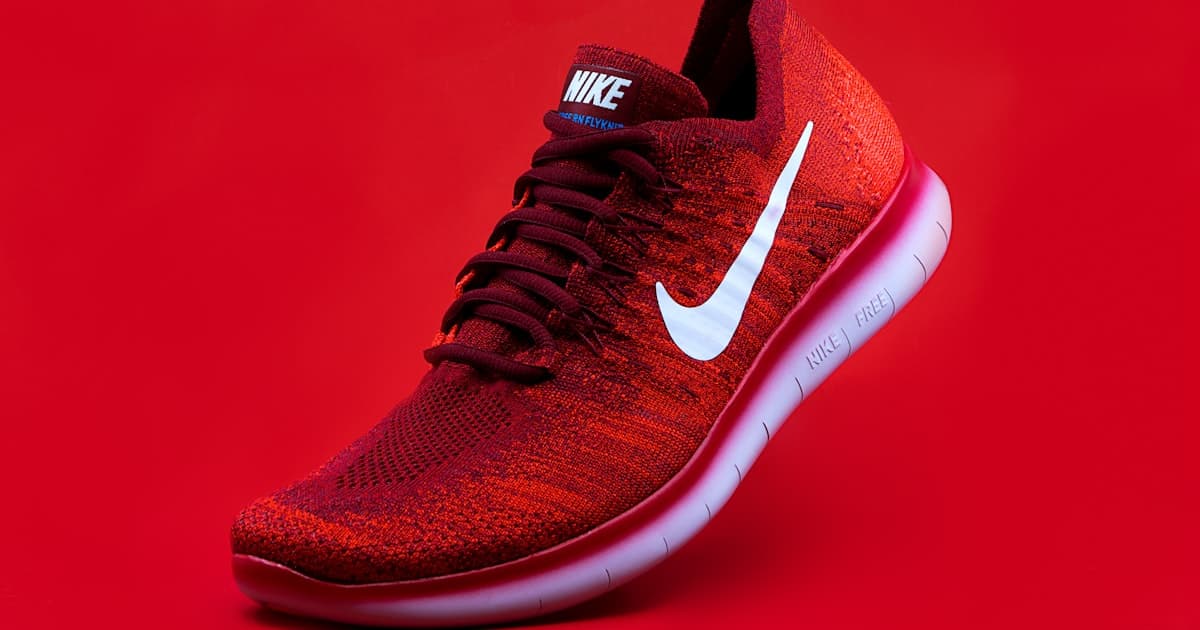
The brands that consistently work well for newer runners: Brooks (the Ghost and Adrenaline are bulletproof options), ASICS (the Gel-Nimbus is like running on a cloud that went to engineering school), New Balance (the Fresh Foam X 1080 is stupid comfortable), and Hoka (the Clifton is the shoe that made cushioned running popular for a reason). Nike and Adidas make fine shoes too, but they tend to prioritize looking fast over actually helping you run -- which tracks for both brands, honestly.
One more thing: replace your shoes every 300 to 500 miles. I know they'll still look fine on the outside. Running shoes are like relationships -- by the time the problems are visible from the outside, the damage has been done for a while.
Shorts: The Great Liner Debate
Running shorts are one of those things that seem incredibly simple until you buy the wrong pair and spend four miles thinking about nothing except how much you regret this decision.
There are two types: lined and unlined. Lined shorts have a built-in mesh brief, which means you don't need to wear underwear underneath. Unlined shorts are just shorts, and you bring your own support situation.
I was firmly in the "I'm wearing underwear under my shorts like a normal person" camp until about month three of running, when a friend who'd been running for years looked at me with genuine pity and said, "Dude, are you wearing boxers under those?" I was. Cotton boxers. I learned that day that cotton is the enemy of everything running stands for. It absorbs sweat, holds onto it like a grudge, and creates friction in places you absolutely do not want friction.
Lined shorts changed my life. I'm not being dramatic. The built-in liner keeps everything contained, wicks moisture away, and eliminates the chafing problem almost entirely. It feels weird for exactly one run, and then you never go back. Five-inch inseam is the sweet spot for most guys -- short enough to not restrict your stride, long enough to not get you arrested in a conservative suburb.
You don't need to spend a fortune here. The Baleaf or HMIYA shorts on Amazon in the $20-25 range are genuinely good and basically identical in function to the $65 versions from the big running brands. I've run in both. The expensive ones have slightly nicer fabric and a logo that lets other runners know you take this seriously. The cheap ones do the exact same job without announcing it. Your call.
If you insist on unlined shorts, at the very least get some moisture-wicking boxer briefs. Not cotton. Never cotton. I cannot stress this enough. Cotton on a run is a war crime against your own body.
Shirts: Cotton Is Still the Enemy
Same principle as the shorts: cotton is a no. I don't care how much you love that old fraternity T-shirt. Cotton absorbs sweat, gets heavy, sticks to your body, and in cool weather turns into a cold, wet blanket plastered to your torso. It's genuinely impressive how bad cotton is at the one job you need a running shirt to do.
You want synthetic moisture-wicking material. Polyester blends, mostly. They pull sweat away from your skin, dry fast, and weigh almost nothing. Every major athletic brand makes them, and they're all basically the same. The $12 dry-fit shirt from Target's All In Motion line performs about 95% as well as a $55 Nike Dri-FIT shirt. I own both. I cannot tell the difference while running. I can absolutely tell the difference in my bank account.
(Companion read: How I Learned to Love Running After Hating It for Years.)
Merino wool blends are the premium move if you want to get fancy. They regulate temperature better than synthetics, they don't stink even after multiple wears (which sounds disgusting but is actually incredibly practical for travel or back-to-back run days), and they feel nicer against your skin. Brands like Smartwool and Ridge Merino make running-specific tops. They cost more -- usually $60 to $90 -- but they last forever and you'll reach for them constantly. Think of it as an upgrade you earn after you've been running long enough to justify it.
For verification, see GQ style section.
Color advice, and I'm being serious here: avoid white. A white synthetic running shirt after twenty minutes of sweating looks translucent and sad. Darker colors, heathers, and medium tones are your friends.
Socks: The Most Underrated Piece of Running Gear
Nobody talks about running socks because it's not exciting. I get it. But I'm going to talk about them anyway because the first blister I got from running in cheap cotton socks ended my training for a week, and that's a stupid reason to stop doing anything.
Running socks are thin, synthetic or merino wool, and fitted so they don't bunch up. That's it. That's the whole technology. Darn Tough, Feetures, and Balega all make excellent options in the $12-18 range per pair. Yes, that's expensive for socks. Yes, it's worth it. Darn Tough literally has a lifetime guarantee. You will never buy another pair. The math works out.
Avoid cotton socks. (Are you noticing a theme?) Avoid socks that are too thick unless it's below freezing. And for the love of everything, make sure they're the right height -- you want something that at minimum covers the back of your ankle, because that's where shoes love to rub raw skin.
The Accessories That Actually Matter (And the Ones That Don't)
Let's talk about the stuff that isn't clothing but will come up within your first month of running.
Body Glide or similar anti-chafe balm. This is non-negotiable once your runs get past about 40 minutes. You apply it to your inner thighs, under your arms, and anywhere else skin contacts skin or fabric repeatedly. It looks like a deodorant stick. It costs about eight bucks. It will save you from a pain so specific and so awful that I genuinely think about it before every long run. Don't learn this lesson the hard way. I did. On an 8-mile run. In July. I walked funny for two days.
A phone holder. You need your phone for music, podcasts, emergencies, and the GPS tracking that lets you post your runs online so people know you're a runner now. An armband works fine if it doesn't bother you. A running belt (like the FlipBelt or SPIbelt) is better -- it sits flat around your waist, holds your phone and a key, and you genuinely forget it's there. Avoid holding your phone in your hand. It messes with your arm swing, you'll grip it tighter than you think, and eventually you'll drop it on concrete at mile four. Ask me how I know.
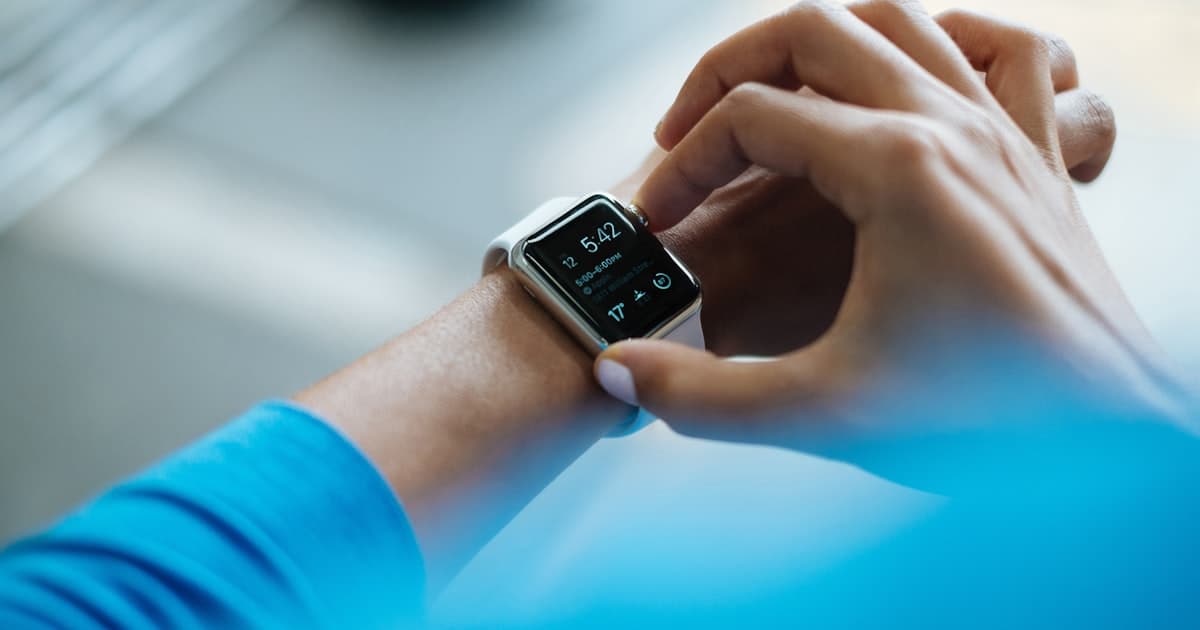
A watch or tracker. If you're getting into running for real, having data on your pace, distance, and heart rate is genuinely useful. It helps you not go out too fast (the number-one beginner mistake), track your improvement over time, and structure your training. I wrote a whole thing about picking the right wearable if you want the deep dive, but the short version is: a Garmin Forerunner 265 or even a basic Apple Watch will serve you incredibly well.
A hat or sunglasses. If you run outdoors during the day, a lightweight running cap keeps sun out of your eyes and sweat off your face. Any breathable athletic cap works. Don't overthink it.
Things you do NOT need yet: a hydration vest (you're not running ultras), compression sleeves (you're not recovering from a marathon), a GPS watch with maps and Spotify and a barometric altimeter (you're running around your neighborhood), or any piece of gear that costs more than your shoes. You'll know when you need those things because you'll have run enough miles to actually want them. Until then, save your money.
What to Wear When It's Cold (Without Looking Like the Michelin Man)
Running in cold weather is where most guys either dress like they're summiting Everest or dress like it's summer and suffer through it. The trick is layering, and the trick to layering is using fewer layers than you think you need.
The general rule: dress like it's 15-20 degrees warmer than the actual temperature, because your body generates a shocking amount of heat once you get moving. If it's 40 degrees outside, dress like it's 55-60. This means you'll feel slightly cold for the first five minutes. That's correct. If you're warm when you start, you'll be overheating by mile two.
For 40-55 degrees: a long-sleeve synthetic shirt is all you need on top. Maybe a light vest if it's windy. Regular running shorts are fine on the bottom -- your legs generate tons of heat and don't really get cold until it drops below 35 or so.
For 25-40 degrees: a base layer (thin, synthetic, fitted) plus a windproof jacket on top. Running tights or joggers on the bottom. Gloves and a headband or beanie for your ears. Your hands and ears are always the first things to get cold, and a $10 pair of thin running gloves makes a disproportionate difference.
Below 25: add a second layer on top, thicker tights, warmer gloves, and a balaclava or buff for your face. Or, honestly, just run on a treadmill. Nobody's judging you. It's February.
The Real Secret Nobody Tells You
That said, about running gear that took me an embarrassingly long time to figure out: almost none of it matters as much as actually going for a run. I spent my first three weeks reading reviews, comparing shoe models, agonizing over which shorts had the best liner, and running exactly zero miles. I was preparing to prepare. I was researching the gear for a hobby I hadn't started yet.
The best running gear is the stuff that gets out of your way and lets you focus on the actual running. That's it. You need shoes that fit, clothes that don't chafe, and the willingness to walk out your front door looking slightly ridiculous for the first few months until your body starts to reflect the work you're putting in.
If you're just getting started and wondering whether you can actually stick with this, I walked through my entire journey from zero running background to finishing a half marathon -- including every mistake, every bad week, and the moment where it finally clicked. Spoiler: it took longer than Instagram would have you believe, and the gear was maybe 5% of the equation.
The other 95% is just showing up. In whatever you're wearing. Even if it's that blood drive T-shirt.
Although, seriously, please buy a moisture-wicking shirt. The cotton thing is real. I'm begging you.
Further reading and primary sources
Background and primary-source references for the claims and recommendations above. Linked references are intended for readers who want to verify a claim, dig deeper into a topic, or check the underlying data themselves.
- Hodinkee — watches — watch journalism with manufacturer documentation and historical reference.
- GQ style section — established menswear coverage with archival depth.
- Esquire style — Esquire menswear and grooming editorial archive.

About the writer
Jordan Shaw
Senior writer — Culture, Style & Relationships
Read more from Jordan — full archive, full bio, and contact on their writer page.
Share this story
More from Jordan
Spot a problem with this piece? Email info@luba.media.