Best Basketball Shoes for Guys Who Actually Play
Most basketball shoe reviews are written for sneakerheads who never lace up. This one's for guys who actually play -- on courts that are dusty, in leagues that are aggressive, and in shoes that need to survive more than a photo op.
· 10 MIN READ
I play basketball three times a week. Pickup on Tuesday and Thursday nights at the rec center, and a Sunday morning league that's supposed to be "casual" but features at least one guy per team who treats every game like it's a personal audition for the G League.
I'm 31 years old, I'm about a 6 out of 10 on the basketball skill spectrum, and I have blown out two pairs of shoes on the court in the last three years. One literally split at the outsole during a crossover -- which sounds cool and dramatic until you realize the crossover didn't work and I turned the ball over immediately after. The shoe died for nothing.
The point is, I've tried a lot of basketball shoes. Not as a collector. Not as someone who camps outside Foot Locker for a limited release. As a guy who plays actual basketball on actual courts and needs shoes that actually work. These are my recommendations, organized by what matters and what doesn't when you're lacing them up for real games.
What Actually Matters (and What Doesn't)
Before we talk specific shoes, let's talk about what you should care about if you're playing regularly.
Traction. This is number one and it's not close. If your shoes don't grip the court, nothing else matters. You can have the best cushioning in the world, but if you're sliding on every cut and can't stop on a dime, you're going to play scared and probably hurt yourself. Traction on clean, maintained courts is one thing -- almost any shoe does fine there. Traction on the dusty, slightly gritty courts that exist in every rec center in America is a different challenge entirely. Some outsole patterns eat dust. Some ride on top of it. You want shoes that eat it.
Cushioning. When you're playing multiple times a week, the impact on your knees, ankles, and feet is cumulative. At 22, I could play in flat-soled shoes and feel fine the next day. At 31, insufficient cushioning means I'm walking down stairs like a man twice my age on Wednesday morning. You want responsive cushioning -- something that absorbs impact but still lets you feel the court. Too soft and you lose court feel and stability. Too firm and your joints file a complaint.
Support and fit. Your shoe needs to lock your foot down without crushing it. A sloppy fit means your foot is moving inside the shoe, which means blisters, instability, and wasted energy. A too-tight fit means numbness, pressure points, and that thing where your big toenail slowly turns purple and eventually falls off, which is exactly as unpleasant as it sounds.
What doesn't matter as much: colorway, brand prestige, what NBA player wears them, and whether they'll "go up in value." You're not investing. You're buying work equipment. If the shoe that works best for your game happens to be ugly, buy the ugly shoe. Your ankles will thank you.
The Lineup
The Best All-Around: Nike KD 17
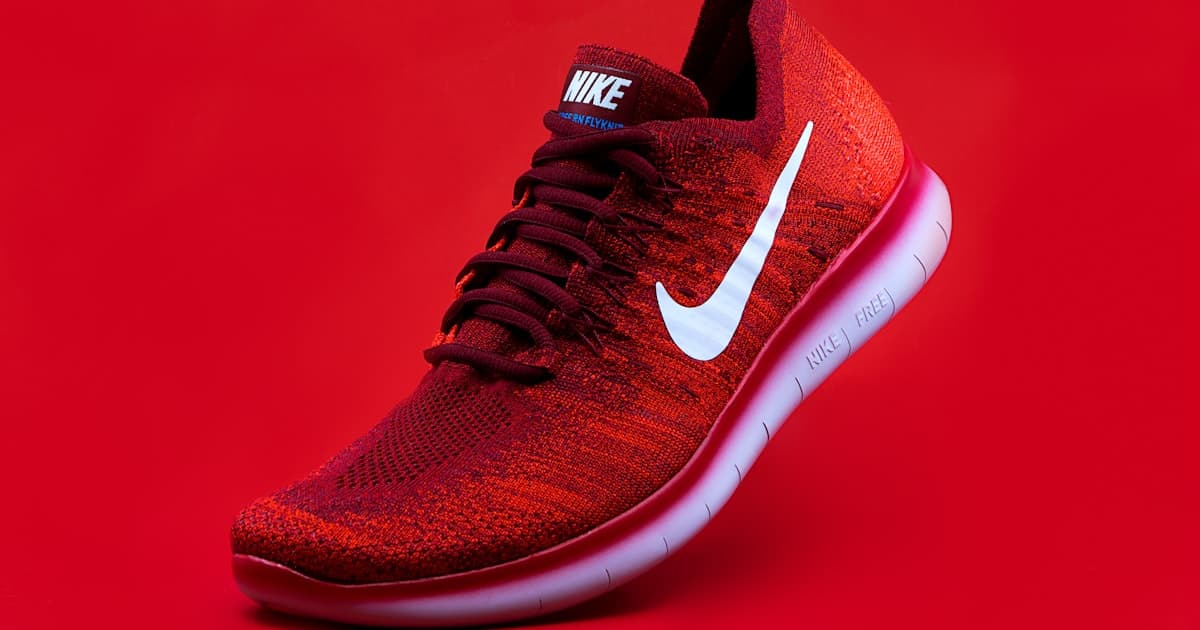
I've been wearing KDs for three generations now, and the 17 is the best one yet for actual play. The cushioning is full-length Zoom Air, which means it's bouncy without being mushy. You feel the court but you don't feel every single crack in it. Traction is excellent -- the herringbone pattern is a classic for a reason, and it handles dust reasonably well.
The fit runs true to size, maybe a touch long if you have narrow feet. I go with my regular size and wear thicker basketball socks, which solves any minor looseness. The shoe is relatively lightweight, which matters in the fourth quarter of a rec league game when your legs are reminding you that you're not 22 anymore.
The best part: KDs are never the most hyped shoe, which means they're usually available at retail or below. While everyone's fighting for the latest LeBrons or Jordans, you can walk into a store and buy the best playing shoe in Nike's lineup without any drama. That's a feature, not a bug.
Best on a Budget: Puma MB.04
LaMelo Ball's signature line has quietly become one of the best values in basketball shoes. The MB.04 runs around $115-125, which is about $50-75 less than most Nike or Adidas signatures, and it plays like a shoe that costs more.
For the underlying data, see ESPN.
The cushioning uses Puma's Nitro foam, which is lightweight and responsive. Not quite as bouncy as Nike's Zoom Air, but very comfortable for extended play. Traction is solid -- multi-directional pattern that grips well on most surfaces. The fit is where this shoe shines: it wraps your foot snugly without any pressure points, and the lockdown through the midfoot is excellent.
The knock on Puma basketball shoes used to be durability, but the MB.04 has held up well through about four months of regular play. The outsole shows wear but hasn't deteriorated to the point where traction is affected. For the price, I don't think anything else comes close.
Best for Big Guys: Nike LeBron 22
If you're north of 220 pounds and you play an aggressive, physical game, the LeBron line exists for you. These shoes are tanks. The cushioning is dense and substantial -- full-length Zoom Air unit with a thick midsole that absorbs impact like it has a personal vendetta against knee pain.
(Adjacent reading: How I Went From Couch Potato to Running a Half Marathon in 6 Months.)
The trade-off is weight. LeBrons are not light shoes. If you're a guard who lives on quick cuts and speed, these might feel like playing in boots. But if you're a forward who bangs in the post, sets screens, and values protection over agility, the LeBron 22 is hard to beat.
My buddy Marcus is 6'4", 245, and he's been wearing LeBrons for years. He tried a pair of lighter shoes once and came back after two games. "My knees knew," he said. "My knees knew immediately." When your body is putting that much force through your feet on every jump and landing, you need shoes that take their job seriously. LeBrons take their job very seriously.
Best for Guards: Adidas Harden Vol. 9
If your game is built on changes of direction -- crossovers, hesitation moves, stop-and-go -- you need a shoe that's low to the ground with exceptional traction and a locked-in fit. The Harden Vol. 9 nails all three.
The Boost cushioning in the forefoot is responsive without being too thick, so you maintain excellent court feel. The outsole traction is among the best I've tested -- it grips on everything, including that one court at the rec center that I'm pretty sure hasn't been mopped since 2019. The fit is snug and secure, with a wide base that makes lateral movements feel stable.
These run wide, which is great if you have wider feet and terrible if you don't. Narrow-footed guys should try them on in person before buying, or go down half a size. But if the fit works for you, this is an outstanding guard shoe.
The Dark Horse: New Balance TWO WXY v5
New Balance in basketball still surprises people, and that surprise is their advantage -- these shoes are frequently on sale because they don't carry the brand cachet of Nike or Adidas. The TWO WXY v5 is a team model (not a signature shoe), which means it's priced around $100-110 and plays well above that.
FuelCell cushioning is excellent. Not the bounciest, but consistently comfortable across long sessions. Traction is very good. The shoe is well-built and durable -- the kind of no-nonsense construction that makes you think New Balance brought their running shoe expertise to the basketball court. If you're on a budget and you don't care about whose name is on the shoe, this is a fantastic option.
How to Make Your Shoes Last
Since we're talking about shoes for guys who actually play, let's talk about not destroying them prematurely.
Don't wear them off the court. I know they look cool. I know it's convenient to just wear them to the gym and then play in them. But outdoor surfaces -- concrete, asphalt, gravel parking lots -- destroy outsole traction faster than anything that happens on a court. Keep your basketball shoes in a bag and change into them when you get to the gym. Your traction will last months longer.
Wipe the soles during games. Quick swipe of the bottom of each shoe with your hand between possessions. It takes two seconds and removes the dust that's killing your grip. This is such a small thing, but the difference in traction is immediately noticeable. Every serious pickup player does this. It's practically a nervous habit at this point.
Let them dry out. After playing, take them out of your bag and let them air out. Don't leave them zipped up in a gym bag marinating in their own moisture. That's how you get shoes that smell like a biological hazard and materials that break down prematurely. If they're really wet, stuff newspaper inside to absorb the moisture.
Rotate if you can. If you play three or more times a week, having two pairs and rotating them extends the life of both. The cushioning in the midsole needs time to decompress between sessions -- it's like letting a mattress spring back. Playing in the same pair every day compresses the foam faster and you lose cushioning performance sooner.
The Honest Truth
The best basketball shoe is the one that fits your foot, supports your game, and doesn't make you think about your shoes while you're playing. If you're out there worried about your traction or nursing a sore knee because your cushioning is shot, you're not playing your best basketball.
Try shoes on in person if you can. Walk around the store. Do some lateral shuffles (yes, you'll look weird, no, the employees don't care). Running shoes are all about forward motion; basketball shoes need to handle every direction. Make sure they lock your foot down when you cut.
And invest in your feet, even if it means spending $150-$200 on a good pair. Your knees at 40 will send a thank-you card. If you're also shopping for tech to track your game, that's a solid complement -- but the shoes come first. Always the shoes.
Further reading and primary sources
Background and primary-source references for the claims and recommendations above. Linked references are intended for readers who want to verify a claim, dig deeper into a topic, or check the underlying data themselves.
- ESPN — primary U.S. sports news and statistics archive.
- Sports Illustrated — long-form sports journalism with historical archive.
- FIFA official site — FIFA records for international football competitions.

About the writer
Daniel Reyes
Senior writer — Fitness, Cars & Sports
Read more from Daniel — full archive, full bio, and contact on their writer page.
Share this story
More from Daniel
Spot a problem with this piece? Email info@luba.media.