The Honest Guide to Men's Skincare for Beginners
Your face is the one thing you can't upgrade, replace, or return -- so maybe stop washing it with the same bar soap you use on your armpits. Here's the no-BS skincare routine that actually works.
· 10 MIN READ
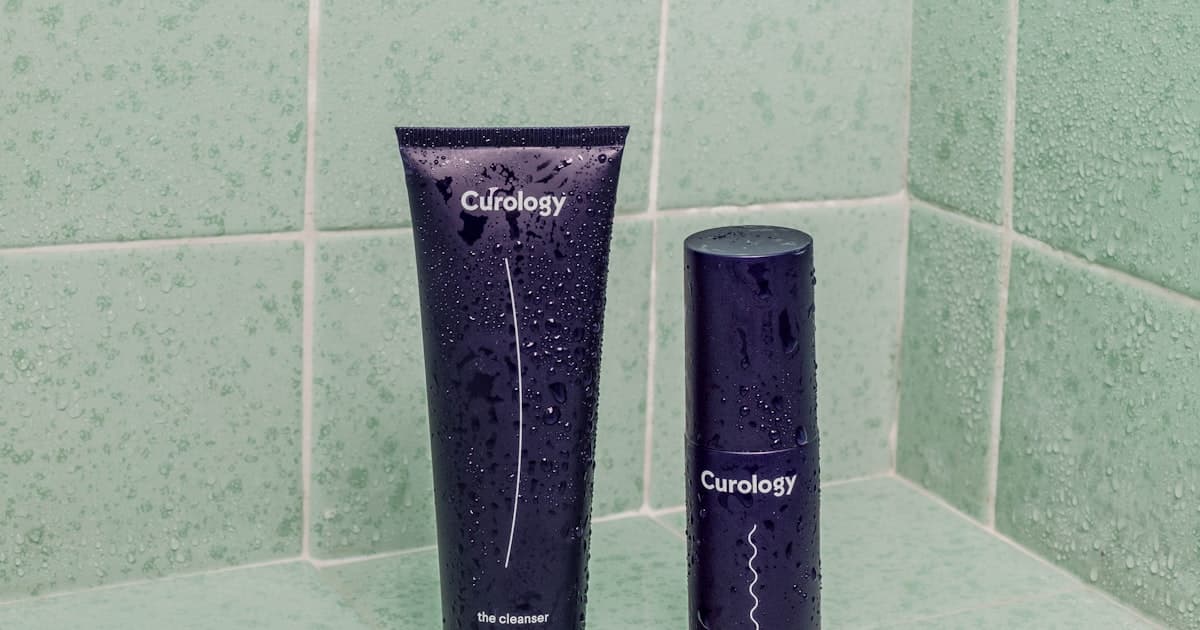
For the first twenty-eight years of my life, my skincare routine consisted of the following: stand in shower, let water hit face, occasionally use whatever bar of Irish Spring was already in there, dry face with same towel I used on everything else. That was it. That was the whole routine. If my skin looked bad, I attributed it to "genetics" or "stress" or "the weather" -- basically anything other than the fact that I was washing my face with a deodorant bar and calling it skincare.
Then my dermatologist -- who I was visiting for a completely unrelated thing -- looked at my face, paused for slightly too long, and said, "So... what are you doing for your skin?" I told her. She made a face that I can only describe as "compassionate horror." She then spent ten minutes explaining that I was basically treating my face like a kitchen countertop, and that a few simple changes would make a visible difference within weeks.
She was right. Within a month, my skin looked noticeably better. Within three months, people were commenting on it. My buddy Derek, who has never complimented anyone about anything, said "your face looks different" at a barbecue, which is the male equivalent of a standing ovation.
Here's everything I learned, stripped of all the marketing nonsense and influencer noise that makes men's skincare feel way more complicated than it is.
Why Your Current Approach Is Probably Terrible
Let me guess your current routine: body wash in the shower, maybe. Nothing else. Or maybe you splash some water on your face in the morning and call it good. Or maybe -- and I say this with love -- you use hand soap.The reason: this doesn't work. The skin on your face is different from the skin on your body. It's thinner, more sensitive, and it has more oil glands per square inch than almost anywhere else on your body. Bar soap and body wash are designed to strip oil from your body skin, which is tougher and can handle it. When you use them on your face, you're stripping away the natural oils that keep your skin hydrated and protected, which causes your face to overcompensate by producing even MORE oil, which leads to breakouts, which leads to you thinking "I guess I have oily skin" when what you actually have is soap-damaged skin that's panicking.
It's a self-reinforcing cycle. You use harsh soap because your skin is oily. Your skin gets oilier because you use harsh soap. So you use more harsh soap. And so it goes, forever, until a dermatologist looks at your face with pity.
The other thing most guys don't realize: sun damage is cumulative and largely invisible until it's not. Every time you walk outside without sunscreen, UV radiation is damaging collagen and elastin in your skin. You don't see it at 25. You see it at 40, when you look in the mirror and wonder why you look ten years older than your friend who's been wearing sunscreen since college. That guy didn't have better genetics. He had SPF 30.
The Only Three Products You Actually Need
The skincare industry wants you to believe you need seventeen products, a dermatology degree, and a bathroom that looks like a chemistry lab. You don't. You need three things. That's it. Three things that take a combined ninety seconds to apply.
1. A Face Wash (Not Soap. A Face Wash.)
A face wash -- also called a cleanser -- is formulated specifically for facial skin. It cleans without stripping. It removes dirt, oil, and sunscreen without leaving your face feeling like it's been sandblasted.
Use it twice a day: morning and night. Wet your face, use a dime-sized amount, massage it in for about 20-30 seconds, rinse. Done.
What to buy: CeraVe Foaming Facial Cleanser ($15 for a bottle that lasts two to three months) is the gold standard recommendation from dermatologists, and there's a reason for that. It's gentle, effective, and contains ceramides that help maintain your skin's natural barrier. It's boring. It works.
If you have dry or sensitive skin, CeraVe Hydrating Facial Cleanser is the same idea but gentler.
If you want something that feels a bit more premium without being ridiculous, La Roche-Posay Toleriane Purifying Foaming Cleanser ($15-17) is excellent and has a slightly more satisfying texture.
2. A Moisturizer
After you wash your face, you moisturize it. Every time. Morning and night. Yes, even if you have oily skin. Especially if you have oily skin. Remember what I said about your skin overproducing oil when it's stripped? Moisturizer prevents that. It tells your skin "hey, we're hydrated, you can relax on the oil production."
A moisturizer creates a barrier that locks in hydration and protects your skin from environmental stuff -- pollution, dry air, wind. Without it, your freshly washed face is basically exposed to the elements with no protection, which is like washing your car and then parking it in a sandstorm.
What to buy: CeraVe Daily Moisturizing Lotion ($14) for the body, CeraVe PM Facial Moisturizing Lotion ($14-17) for the face. The PM version is lighter and absorbs faster, which matters because nobody wants to walk around with a greasy face. Despite the name, you can use it morning and night.
(See also: Running Gear That Won't Make You Look Like a Dork.)
Background reading: S&P SPIVA scorecards.
Neutrogena Hydro Boost Water Gel ($20) is another great option if you want something that absorbs almost instantly and feels like nothing on your skin. This was my gateway moisturizer -- the one that made me realize moisturizing doesn't have to feel like smearing Vaseline on your face.
3. Sunscreen (This Is the Big One)
If you do only one thing from this article, make it this. Sunscreen is the single most effective anti-aging product that exists. Not retinol. Not vitamin C serum. Not that $200 cream with gold flakes in it. Sunscreen. SPF 30 or higher, every day, even when it's cloudy (UV penetrates clouds), even in winter (UV doesn't take seasons off), even if you're "only outside for a few minutes" (those minutes add up over decades).
The resistance I get from guys on this is always the same: "Sunscreen feels gross." "It makes me look white." "I don't burn easily so I don't need it." "That's a lot of effort for something I can't see."
I hear all of those objections and I'm going to ignore them, because sun damage is the number one cause of premature skin aging, and the guys who look 45 at 35 are overwhelmingly the guys who never wore sunscreen. This isn't vanity. It's also skin cancer prevention. Skin cancer is the most common cancer in the United States, and it's almost entirely preventable with sun protection.
What to buy: EltaMD UV Clear SPF 46 ($37) is the dermatologist-recommended option that feels nothing like the thick, white, coconut-scented goop you're imagining. It's lightweight, absorbs quickly, leaves no white cast, and works well under makeup -- not that you're wearing makeup, but it's relevant because it means it disappears into your skin.
Source for the claims above: IRS publications.
If $37 is too steep for sunscreen: Neutrogena Ultra Sheer Dry-Touch SPF 55 ($12) is widely available, affordable, and genuinely doesn't feel bad. It's not as elegant as EltaMD, but it gets the job done.
Apply it every morning as the last step in your routine. If you're going to be outside for extended periods, reapply every two hours.
Beyond the Basics: The "If You're Feeling Ambitious" Products
Three products is the foundation. If you want to build on it -- and you might, once you see results from the basics -- here are the next steps in order of impact.
Retinol is the heavy hitter of skincare ingredients. It increases cell turnover, boosts collagen production, reduces fine lines, evens out skin tone, and helps with acne. It's the closest thing to a magic bullet that dermatology has produced. Start with a low concentration (0.25% or 0.5%) and use it at night, two to three times a week, because it can cause dryness and irritation when you first start. CeraVe Resurfacing Retinol Serum ($18) is a great starting point.
Exfoliation removes dead skin cells and keeps pores clear. A chemical exfoliant (like salicylic acid or glycolic acid) is gentler and more effective than a physical scrub. Paula's Choice 2% BHA Liquid Exfoliant ($32) is the cult favorite for a reason -- use it two to three times a week and your skin texture will improve noticeably within a month.
Eye cream is... debatable. Some dermatologists say it's just moisturizer in a smaller jar at a higher price. Others say the skin around your eyes is thin enough to benefit from a dedicated product. If dark circles or puffiness bother you, a caffeine-based eye cream like The Ordinary Caffeine Solution ($7) is cheap enough to try without commitment.
The Routine, Start to Finish
Here it is. The whole thing. Ninety seconds, morning and night.
Morning:
- Wash face with cleanser (30 seconds)
- Apply moisturizer (15 seconds)
- Apply sunscreen (15 seconds)
Night:
- Wash face with cleanser (30 seconds)
- Apply retinol if you're using it (10 seconds, two to three nights a week)
- Apply moisturizer (15 seconds)
That's it. That's the routine that changed my skin. Not a twelve-step Korean skincare regimen. Not $400 worth of serums. A face wash, a moisturizer, and sunscreen. Total monthly cost: about $15-25 depending on what you buy.
The Part Where I Address Your Skepticism
I know some of you are reading this thinking "this is vain" or "real men don't do skincare" or "my dad never moisturized and he's fine." And look, your dad probably also smoked in restaurants and thought seat belts were optional. Standards change. Taking care of your skin isn't vain any more than taking care of your teeth is vain. It's basic maintenance of the body you're going to live in for the rest of your life.
Also -- and I say this as someone who resisted skincare for nearly three decades -- it feels good. There's something genuinely pleasant about having a routine that takes care of yourself. Wash, moisturize, protect. It's a small act of self-respect that starts your day right, and it compounds over years into visible results.
If you're already on the grooming journey and need a barber who won't ruin your life, that's the next domino. And if you want to go deep on the whole self-improvement thing, cold showers pair surprisingly well with a skincare routine -- the cold water actually helps reduce inflammation and tighten pores.
Your face has been carrying you through life without complaint for decades. The least you can do is stop washing it with a deodorant bar.
Further reading and primary sources
Background and primary-source references for the claims and recommendations above. Linked references are intended for readers who want to verify a claim, dig deeper into a topic, or check the underlying data themselves.
- S&P SPIVA scorecards — S&P Dow Jones Indices' semi-annual scorecard comparing active funds against benchmarks.
- IRS publications — official U.S. Internal Revenue Service publications on tax treatment of every account type.
- Bureau of Labor Statistics — official U.S. labor, wage, and inflation data.

About the writer
Marcus Hale
Senior writer — Tech & Money
Read more from Marcus — full archive, full bio, and contact on their writer page.
Share this story
More from Marcus
Spot a problem with this piece? Email info@luba.media.