The Best Protein Sources, Ranked by a Guy Who Eats Too Much
I've eaten my way through every protein source on the market in a quest to hit my daily target without losing my mind. Here's the definitive, extremely opinionated ranking.
· 11 MIN READ
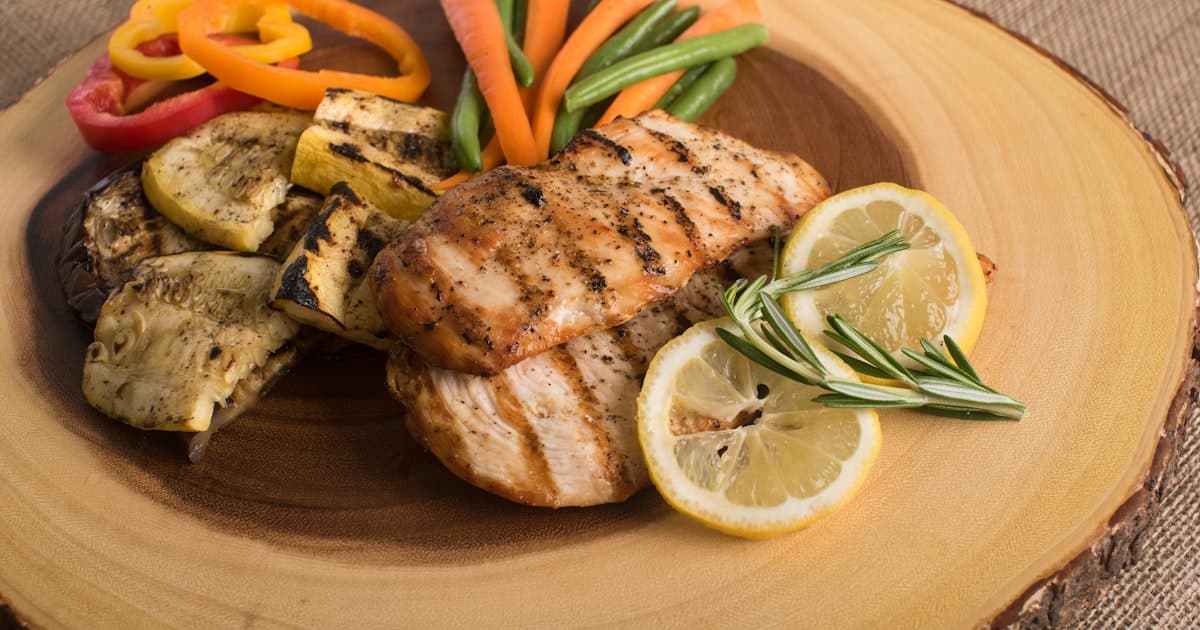
Two years ago, a personal trainer told me I needed to eat 180 grams of protein per day. I nodded confidently, like a person who had any idea what 180 grams of protein looked like.
I went home, googled it, and immediately realized I'd been eating about 60 grams a day. Maybe 70 on a good day when I accidentally had chicken twice. Getting to 180 would require either eating an absurd amount of food, being incredibly strategic about what I ate, or both.
It turned out to be both. For the next several months, I became a protein-obsessed maniac who evaluated every food based on its protein-per-calorie ratio and its ability to not make me want to throw it against the wall by Thursday. I tried everything. I ate things I'd never considered eating. I had strong opinions about Greek yogurt brands that I shared at parties where nobody asked.
Here's what I learned, ranked from best to worst, factoring in taste, cost, convenience, and the sustainability of actually eating it day after day without losing your will to live.
S-Tier: The Workhorses
Eggs. The perfect protein. Six grams per egg, cheap as dirt, available everywhere, and you can cook them a hundred different ways so you never get bored. Scrambled on Monday, over-easy on Tuesday, hard-boiled for snacking on Wednesday, mixed into fried rice on Thursday. Eggs are the Swiss Army knife of protein.
I eat four eggs almost every morning. That's 24 grams before I've done anything else with my day. Some people worry about cholesterol -- current research says dietary cholesterol from eggs doesn't significantly impact blood cholesterol for most people. If your doctor says otherwise for your specific situation, listen to your doctor. But for most of us, eggs are not the enemy they were made out to be in the '90s.
Cost per gram of protein: absurdly low. A dozen eggs is $3-$4 and contains 72 grams of protein. That's roughly $0.05 per gram. Nothing else comes close.
Chicken breast. The bodybuilder's best friend, and for good reason. A standard 6-ounce chicken breast has about 38 grams of protein and around 190 calories. The protein-to-calorie ratio is nearly unbeatable for whole foods.
The catch? Chicken breast is boring. There, I said it. Fitness people talk about chicken breast like it's a delicacy, and they're lying. A plain, boiled chicken breast tastes like a gym membership feels -- necessary but joyless. The secret to chicken breast sustainability is seasoning. Aggressively. I'm talking marinades, spice rubs, sauces. My go-to is chicken thigh-level seasoning on a breast: smoked paprika, garlic powder, cumin, salt, pepper, and a squeeze of lime. Suddenly it's a meal, not a chore.
If you're doing weekly meal prep, chicken breast is the foundation. Bake eight of them on Sunday, slice them up, and you've got protein for the week.
Greek yogurt. This is the sleeper hit. A single cup of nonfat Greek yogurt has 15-20 grams of protein. Eat it with some fruit and granola and you've got a 25-gram protein snack that takes zero preparation and tastes like dessert.
Brand matters here. Some Greek yogurts are thick, creamy, and packed with protein. Others are watery sadness with a label. I've tried most of them. Fage Total 0% is the best. Chobani is solid. The store brands vary wildly -- some are good, some taste like someone described yogurt to a machine that had never experienced food.
For verification, see CDC physical activity guidelines.
I go through about five cups a week. It's my go-to afternoon snack, and at roughly $1 per cup, the cost-per-protein-gram is excellent.
A-Tier: Strong and Reliable
Ground turkey. 93% lean ground turkey is 21 grams of protein per 4-ounce serving with less fat than ground beef. It's bland on its own but takes seasoning like a champion. I use it in tacos, pasta sauce, stir fry, and those rice bowl things that meal prep people are always posting on Instagram. It's versatile, affordable, and cooks fast.
(Primary source: PubMed.)
Canned tuna. Cheap, shelf-stable, and loaded with protein. One can of chunk light tuna in water has about 30 grams of protein for roughly $1.50. Mix it with some mayo, mustard, and diced celery, and you've got a protein-packed lunch in two minutes.
The mercury thing: yes, tuna has mercury. No, eating it twice a week is not going to give you mercury poisoning. Chunk light has less mercury than albacore, and the FDA says two to three servings per week is safe for adults. I eat about two cans a week and I haven't developed any superpowers or side effects.
(We covered the related territory in The Gym Bro Glossary, Decoded.)
Cottage cheese. This one divides people. You either love cottage cheese or you think the texture was designed to punish you. I'm in the love camp. One cup of low-fat cottage cheese has about 28 grams of protein. It's versatile -- eat it straight, mix it with fruit, put it in a blender with a smoothie, or use it as a base for high-protein pancakes (cottage cheese, eggs, oats, blend, cook like regular pancakes, trust me).
Protein powder. I resisted protein powder for years because I associated it with guys who call everyone "bro" and deadlift in jean shorts. This was prejudice. Protein powder is simply a convenient way to get 25-30 grams of protein when you don't feel like eating. A scoop in water after a workout, or blended with banana and peanut butter for a shake that tastes genuinely good.
Whey protein is the standard. Optimum Nutrition Gold Standard has been the default recommendation for a decade and it's still excellent. If you're lactose intolerant, whey isolate has most of the lactose filtered out, or go with a plant-based blend. Just avoid the ones that taste like chalk mixed with artificial hope. Read reviews before buying.
B-Tier: Solid Contributors
Salmon. Incredible nutritionally -- tons of protein, omega-3 fatty acids, generally just top-tier food. The reason it's not A-tier is cost and convenience. Good salmon is expensive. A single fillet can run $8-$12. And it doesn't reheat well, which makes it a tough meal prep protein. When I eat salmon, it's a fresh dinner, not a Tuesday lunch from a container.
Beef (various cuts). A good steak is one of life's great pleasures, and it's loaded with protein. A 6-ounce sirloin has about 40 grams. But beef is expensive, higher in saturated fat than poultry, and doesn't agree with everyone's digestive system when consumed daily. I eat beef two to three times a week and love every bite, but it's not my daily workhorse.
Shrimp. Criminally underrated protein source. A 4-ounce serving has 24 grams of protein and almost zero fat. It cooks in three minutes. You can throw it on the grill, sautee it with garlic, toss it in pasta, or eat it cold with cocktail sauce. The only downside is the price, which fluctuates between "reasonable" and "did they have to individually negotiate with each shrimp?"
Black beans. For the plant-based or plant-curious, black beans are the protein source that doesn't try to be something it's not. A cup has about 15 grams of protein plus a ton of fiber. They're cheap, they last forever in the pantry, and they go in everything from burritos to soups to salads. Combine with rice and you've got a complete protein.
C-Tier: Fine, But With Caveats
Turkey deli meat. Convenient and protein-rich, but the sodium content is aggressive. Three ounces has about 18 grams of protein and enough sodium to make your blood pressure nervous. I eat it occasionally as a quick sandwich protein, but it's not something I'd rely on daily.
Beef jerky. High protein, portable, shelf-stable. Also expensive for what you get, and the sodium situation is even worse than deli meat. An ounce of jerky has about 10 grams of protein and costs roughly $2. Compare that to eggs at $0.05 per gram and you realize jerky is a premium you're paying for convenience. It lives in my gym bag for emergencies, not in my daily rotation.
Peanut butter. I love peanut butter. I would eat it by the spoonful -- and I have, which is the problem. Peanut butter has protein (about 8 grams per two tablespoons) but it also has a lot of calories from fat. Two tablespoons is 190 calories. Four tablespoons -- which is how much I actually put on a sandwich when I'm not measuring -- is 380 calories. If you're counting protein and calories, peanut butter is deceptive. It feels like a protein food, but it's really a fat food that has some protein in it.
Tofu. I eat tofu once a week or so, and it's legitimately good when prepared properly. The key is pressing out the water and getting a good crisp on it. A half-block of extra-firm tofu has about 20 grams of protein. The taste is whatever you season it with, which means it's either delicious or cardboard depending on your cooking skills.
D-Tier: More Trouble Than They're Worth
Protein bars. Most protein bars are candy bars that went to business school. They're loaded with sugar, artificial ingredients, and cost $3-$4 each for 20 grams of protein that you could get from three eggs and a Greek yogurt for half the price. There are a few good ones -- I'll give a nod to RXBars and Built Bars -- but the majority are expensive, overprocessed, and less satisfying than real food.
Plant-based meat alternatives. Beyond Burgers, Impossible Meat, and their kin. These have decent protein content, but they're highly processed, expensive, and the ingredient list reads like a chemistry textbook. If you're eating them for ethical or environmental reasons, respect. If you're eating them for protein, there are better and cheaper options.
Protein-fortified everything. Protein cereal. Protein chips. Protein cookies. Protein water. The protein-ification of every food category is marketing, not nutrition. These products take a junk food, add some whey protein to it, charge twice as much, and call it healthy. A "protein cookie" is still a cookie. It just costs more and tastes worse.
How I Actually Hit 180 Grams in a Day
Here's a sample day from my actual life, not a fitness influencer fantasy:
Breakfast: Four eggs scrambled with some cheese (28g), two pieces of whole wheat toast (8g). Total: 36g.
Snack: Greek yogurt with a handful of almonds (22g).
Lunch: Chicken breast rice bowl with black beans and vegetables (45g).
Snack: Protein shake -- one scoop whey, banana, peanut butter (30g).
Dinner: Ground turkey tacos with all the fixings (35g).
Evening: Cottage cheese with berries (14g).
Daily total: 182 grams. It's not glamorous. It's not Instagram-worthy. But it's consistent, it's affordable, and I've been eating roughly this framework for two years without wanting to quit.
The real secret to hitting a high protein target isn't finding some magical food. It's front-loading protein into every meal and snack so that by dinner, you're not staring at a deficit of 80 grams wondering if you should eat an entire rotisserie chicken before bed. (I've done this. It works. It's not pleasant. Zero stars for the experience, five stars for the protein.)
Eat your protein, folks. Your muscles will thank you. Your grocery bill will be reasonable. And you'll never have to eat a plain, boiled chicken breast unless you actively choose to, which you shouldn't, because life is too short for unseasoned poultry.
Further reading and primary sources
Background and primary-source references for the claims and recommendations above. Linked references are intended for readers who want to verify a claim, dig deeper into a topic, or check the underlying data themselves.
- CDC physical activity guidelines — official U.S. Department of Health and Human Services activity guidelines for adults.
- PubMed — National Library of Medicine bibliographic database of peer-reviewed biomedical literature.
- American College of Sports Medicine position stands — ACSM official position stands on exercise prescription and physiology.

About the writer
Daniel Reyes
Senior writer — Fitness, Cars & Sports
Read more from Daniel — full archive, full bio, and contact on their writer page.
Share this story
More from Daniel
Spot a problem with this piece? Email info@luba.media.