The Beginner's Guide to Not Killing Your Houseplants
You've killed a cactus. You've killed a succulent that the label literally said was 'impossible to kill.' You're starting to think you have a curse. You don't -- you just need someone to explain plants like they're talking to a guy who has never successfully kept anything green alive.
· 11 MIN READ
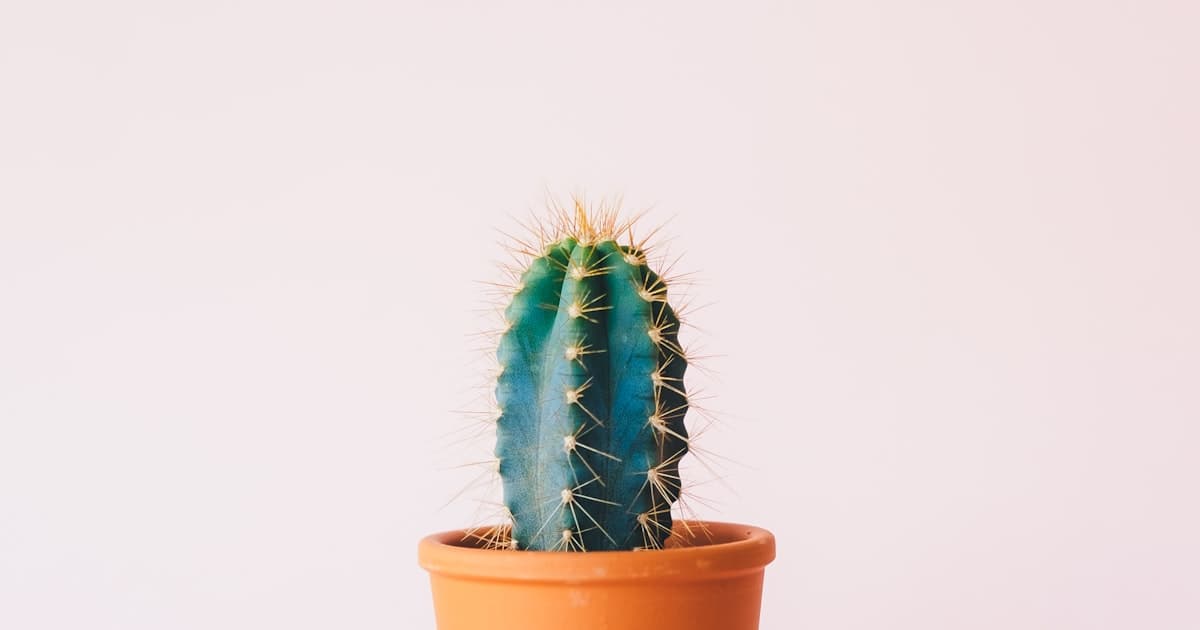
Let me establish my credentials right up front: I have killed more plants than most people have ever owned. I've killed succulents. I've killed cacti. I killed a bamboo plant that the woman at the store told me "literally just needs water and a window." I gave it both of those things and it still died, slowly and dramatically, turning yellow one leaf at a time like a tree in a depressing autumn montage.
My apartment used to be a graveyard for anything photosynthetic. Friends would give me plants as housewarming gifts and I'd accept them with the solemn knowledge that I was basically receiving a death sentence in a decorative pot. My buddy Marcus gave me a pothos once and said, "These are the cockroaches of plants. They're unkillable." It lasted six weeks. Marcus doesn't give me plants anymore.
But here's the twist: I now have eleven living houseplants. Thriving houseplants. Plants that are actively growing, producing new leaves, and generally behaving like plants that exist in a home where the owner knows what he's doing. It took me about a year of learning, failing, Googling at midnight, and talking to a very patient woman at a nursery to get here, but I made it. And if I can do it, you -- yes, you, the guy who once forgot to water a plant for two months and then overwatered it so aggressively that it drowned -- can do it too.
Why Your Plants Keep Dying (It's Probably One of Three Things)
The good news is that plant death, in my extensive experience, comes down to three main causes. You're not cursed. You're not radiating some kind of anti-plant energy. You're just making one of three very common and very fixable mistakes.
Mistake one: overwatering. This is the big one. I'd estimate that 80% of houseplant deaths are caused by too much water, not too little. Which is ironic, because most guys kill their plants and assume they forgot to water them, so they overcompensate with the next plant by watering it constantly, which drowns the roots, causes root rot, and kills the plant even faster. It's a vicious cycle of good intentions and terrible outcomes.
Plants' roots need air. When the soil is constantly saturated, the roots can't breathe, they start to rot, and the plant slowly dies from the bottom up. The first sign is usually yellowing leaves, which most people interpret as "not enough water" and respond by adding more water, which is like treating a drowning person by pouring more water on them.
Mistake two: not enough light. Plants need light to live. This seems obvious, but you'd be surprised how many guys put a plant in a dark corner of their apartment because "it looks good there" and then wonder why it's struggling. That corner might look great on Instagram, but to the plant, it's essentially a cave, and the plant is slowly starving because it can't photosynthesize.
Mistake three: wrong plant for the space. This is the mistake I made the most. I'd see a plant I liked, buy it, bring it home, and put it wherever I wanted it to go with zero consideration for whether that spot met the plant's actual needs. I once put a full-sun succulent in my bathroom, which gets approximately zero direct sunlight. The succulent got leggy, pale, and sad, and eventually fell over like a tiny, defeated tree. Plants have preferences. Ignoring them is like trying to raise a fish in a sandbox.
The Starter Plants: Your First Lineup
If you're starting from scratch, do not -- I repeat, do not -- start with anything finicky. No fiddle leaf figs. No maidenhair ferns. No calatheas. These are the advanced-level plants, the Dark Souls of the plant world, and starting with them is a guaranteed path to frustration and dead leaves.
Start with these five. I call them the "apology plants" because they forgive your mistakes instead of punishing you for them.
Pothos. The single greatest beginner plant in existence. It grows in low light, medium light, or bright indirect light. It tells you when it needs water by drooping its leaves slightly, then perks right back up within hours of being watered. It's like a plant with a built-in notification system. You can grow it in soil or just stick a cutting in a glass of water on your counter and watch it sprout roots. I have three pothos in my apartment and they're all thriving despite my historically criminal negligence.
Underlying figures: Britannica.
Snake plant (Sansevieria). This thing is practically indestructible. It tolerates low light, doesn't need much water (every two to three weeks is fine), and grows straight up, so it doesn't take up much horizontal space. It also purifies air, which is a nice bonus when your apartment sometimes smells like whatever you cooked three days ago. I watered mine once every three weeks for an entire year and it grew six inches. Zero drama.
ZZ plant. Glossy, dark green leaves that look fake even though they're real. Tolerates low light. Needs water maybe once every two to three weeks. Basically wants you to ignore it. It's the plant equivalent of that friend who's totally fine hanging out in silence. My ZZ plant is the most well-adjusted organism in my apartment, including me.
Spider plant. Fast-growing, hard to kill, and it produces little baby plants (called "pups" or "spiderettes," which is the cutest word in botany) that you can clip off and give to friends, making you the guy who gives plants to people instead of the guy who kills them. Full character arc.
Rubber plant. Big, dramatic-looking leaves that make your apartment look like it belongs in an interiors magazine. Needs medium to bright indirect light and water when the top inch of soil is dry. It's slightly more demanding than the others on this list, but still well within beginner territory. This is your "I'm ready for a challenge" plant after you've kept the others alive for a few months.
How to Water: The Skill You Think You Have but Don't
Watering seems simple. It's water. You pour it on dirt. But the devil is in the details, and those details are why your last three plants are in a landfill.
The finger test. Stick your finger about an inch into the soil. If it's dry, water. If it's still moist, don't. That's it. That's the whole technique. I spent three years killing plants before someone told me this, and I was so annoyed by how simple it was that I almost quit plants entirely out of spite.
(Companion read: Smart Home Gadgets That Are Actually Worth the Money.)
Water thoroughly, then stop. When you do water, water until it drains out the bottom of the pot. Then stop. Don't water again until the finger test says it's time. Most plants prefer a cycle of "soak and dry" rather than a constant trickle. Think of it like how you eat -- a good meal every few days, not a constant drip of food into your mouth.
Drainage matters. Your pot needs a hole in the bottom. I know those cute ceramic pots without drainage holes look great. I know you bought one at HomeGoods because it was on sale and matched your couch. But a pot without drainage is a death trap because excess water pools at the bottom, rots the roots, and kills the plant. Either buy pots with drainage holes or keep the plant in a plastic nursery pot inside the decorative pot and lift it out to water. Problem solved.
Water quality. Most tap water is fine. If you have particularly hard water or heavily chlorinated water, let it sit out overnight before using it, which allows the chlorine to evaporate. Or use filtered water. Your plants aren't snobs, but they do notice the difference. One of my plants started dropping leaves and the nursery lady said, "Are you using cold tap water?" I was. Apparently some tropical plants don't love cold water on their roots. Room temperature tap water fixed the problem entirely.
Light: The Thing You're Probably Getting Wrong
Plants describe their light needs in terms that sound made up: "bright indirect light," "medium indirect light," "low light." Nobody explains what these actually mean, so here's the translation:
Bright indirect light: Near a window that gets direct sun, but the plant is positioned so the sun's rays don't actually hit the leaves directly. Think a few feet back from a south-facing window, or right next to an east-facing window. Most plants prefer this.
For the underlying data, see Library of Congress.
Medium indirect light: A few feet from a window, or near a window that's obstructed by a building, tree, or curtain. The room is well-lit but the plant isn't near the light source. Several of the beginner plants I listed thrive here.
Low light: The dark corners, the interior rooms, the north-facing windows. Not "no light" -- plants need some light to survive. But some plants (pothos, snake plants, ZZ plants) tolerate significantly less light than others.
The simple test: if you can comfortably read a book in the spot without turning on a lamp during the day, there's enough light for a low-light plant. If the spot gets bright enough that you'd squint if the sun hit your face, that's medium to bright.
Leveling Up Your Space
That said, nobody tells you about houseplants: they make your apartment significantly better. Not just aesthetically -- though a few well-placed plants transform a space from "bachelor pad" to "someone who has their life together lives here" -- but actually better for you. Studies show houseplants reduce stress, improve air quality, boost mood, and increase productivity. They're one of the best apartment upgrades you can make, and they cost less than practically every other upgrade on the list.
There's also something deeply satisfying about keeping things alive. About looking at a plant and knowing that it exists because you took care of it. After years of killing everything green in my apartment, the first time I saw a new leaf unfurl on my pothos, I felt a pride completely disproportionate to the achievement. I texted my friend a photo. He said, "It's a leaf." He was technically right, but he was also wrong.
Common Problems and What They Actually Mean
Yellow leaves: Usually overwatering. Cut back on water. Check that the pot has drainage. Let the soil dry out more between waterings.
Brown, crispy leaf tips: Usually low humidity or underwatering. Mist the plant occasionally or put a tray of pebbles with water under the pot to increase humidity. Or just accept that your apartment is dry and some leaf tips will brown. It's not the end of the world.
Leggy, stretched-out growth: Not enough light. The plant is literally stretching toward any light source it can find. Move it closer to a window.
Drooping leaves on a pothos or peace lily: Thirsty. Water it. It'll perk up within hours. These plants are the best communicators in the plant world.
Tiny bugs: Usually fungus gnats, which are annoying but mostly harmless. Let the soil dry out completely between waterings (gnats breed in moist soil) and put out a small dish of apple cider vinegar with a drop of dish soap to trap them. They'll be gone within a week or two.
The Real Secret
The real secret to not killing your houseplants is embarrassingly simple: pay attention. Check on them every few days. Stick your finger in the soil. Look at the leaves. Notice if something has changed. Plants are constantly telling you what they need -- you just have to look.
That's it. That's the whole guide. Pick the right plant for your space. Water it when the soil is dry. Give it adequate light. Don't overthink it.
You're not cursed. You just needed someone to explain it without making you feel stupid. Now go buy a pothos, put it near a window, water it when it droops, and enjoy the small DIY victories that make your place actually feel like home. You've got this.
Further reading and primary sources
Background and primary-source references for the claims and recommendations above. Linked references are intended for readers who want to verify a claim, dig deeper into a topic, or check the underlying data themselves.
- Britannica — encyclopedic reference for historical and cultural background.
- Library of Congress — U.S. Library of Congress historical archives and primary sources.
- National Archives — U.S. National Archives primary historical documents.

About the writer
Jordan Shaw
Senior writer — Culture, Style & Relationships
Read more from Jordan — full archive, full bio, and contact on their writer page.
Share this story
More from Jordan
Spot a problem with this piece? Email info@luba.media.