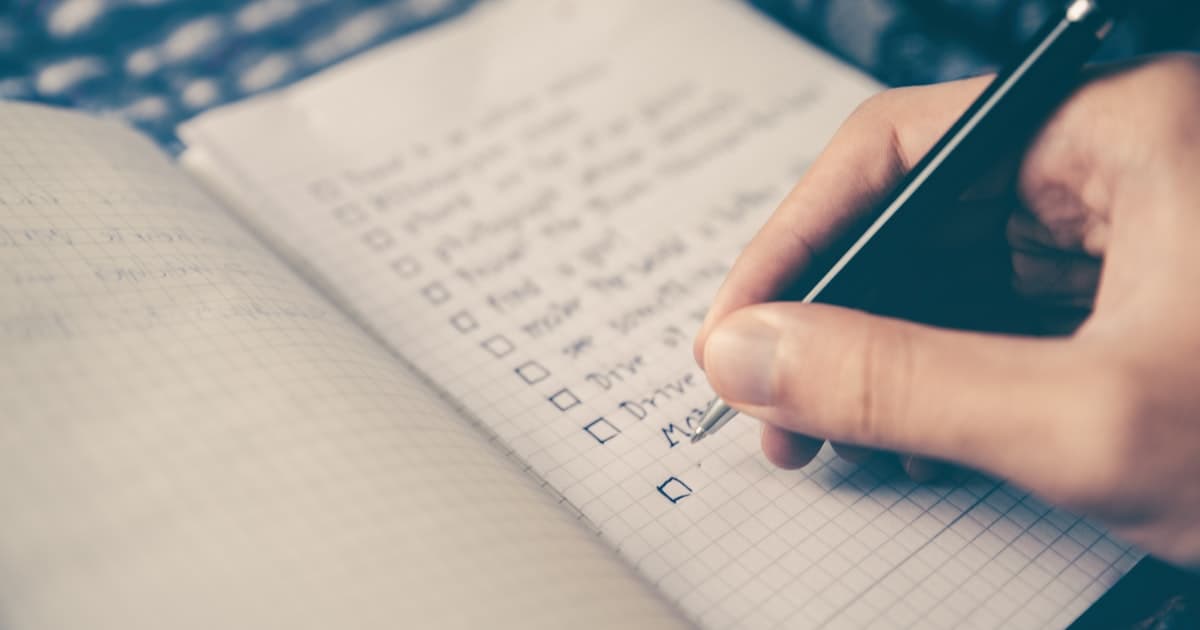
How to Throw a Dinner Party That Doesn't Suck
Throwing a dinner party doesn't require a culinary degree or a kitchen the size of a small country. Here's how to host one that people actually enjoy -- and that won't leave you stress-eating leftovers at midnight.
· 12 MIN READ
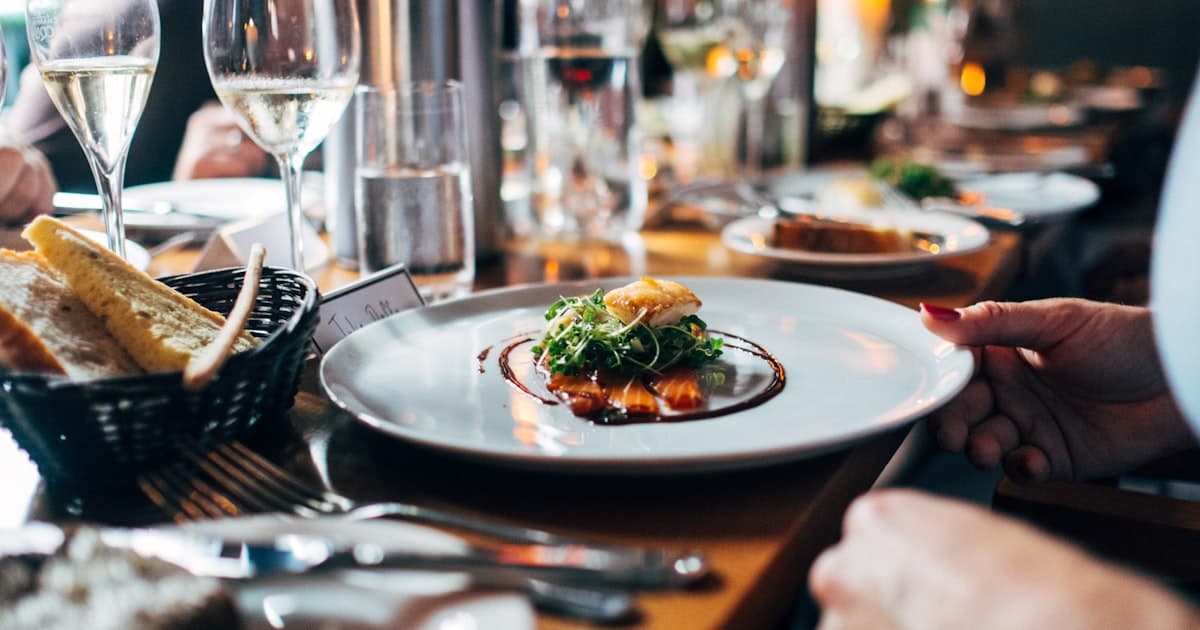
I threw my first dinner party in 2023, and it was a catastrophe of almost cinematic proportions.
The plan was simple: invite six friends over, cook a nice meal, be the kind of adult who "hosts." The reality was me, sweating through a button-down shirt at 7:45 PM, frantically googling "how to tell if chicken is done without a thermometer" while my buddy Dave sat on the kitchen counter eating the appetizer cheese that was supposed to be for everyone.
The chicken was dry. The pasta was somehow both overcooked and cold. I forgot to buy napkins, so we used paper towels. My "playlist" was whatever Spotify's algorithm decided after I typed "dinner party" into the search bar, which apparently meant forty-five minutes of smooth jazz followed by an inexplicable Limp Bizkit deep cut.
Three people left by 9:30. One of them texted me "thanks for having us!" which, if you've ever decoded polite human communication, is the equivalent of a one-star Yelp review.
That said, I kept at it. I threw another one a month later. And another one after that. Somewhere around dinner party number five, something clicked. Not because I became a great cook (I'm still aggressively mediocre), but because I figured out what actually matters and what absolutely doesn't.
Here's everything I know.
The Menu Is Not the Point (But It Still Matters)
The biggest mistake first-time dinner party hosts make is trying to cook something impressive. You go on YouTube, watch some guy with a $14,000 kitchen make coq au vin, and you think, "Yeah, I can do that." You cannot do that. I could not do that. Nobody who is cooking for guests for the first or second time should be attempting anything that requires a wine reduction.
(Primary source: The Verge reviews.)
Here's my rule: cook something you've already made at least three times. Something you could make while slightly distracted by a conversation. Something where if one element goes sideways, you don't need to scrap the whole plan and order DoorDash for eight people.
For me, that's a big pasta. Specifically, a baked ziti situation -- browned Italian sausage, good marinara (jarred is fine, nobody cares, Rao's exists for this exact purpose), ricotta, mozzarella, tossed with penne, thrown in the oven for 25 minutes. It's essentially a casserole, which means you assemble it before people arrive and then forget about it until the timer goes off. You look calm. You look in control. You look like a guy who does this all the time, even though twenty minutes ago you were standing in your bathroom giving yourself a pep talk.
A big salad on the side. Bread from the bakery section of your grocery store, not the bread aisle. There's a difference, and the difference is about $2 and a significant amount of dignity. That's it. That's the meal. Nobody has ever left a dinner party complaining that the food was too simple. They complain when the food was too ambitious and half of it failed.
If you need help building your cooking fundamentals, I wrote a whole thing about learning to cook five solid meals that covers the basics without assuming you own a mandoline or know what a mandoline is.
The Real MVP: Appetizers You Don't Have to Cook
You know what people actually eat the most of at dinner parties? The stuff that's sitting out when they arrive. The cheese. The crackers. The little bowl of olives that cost $4 and make you look like you spent your gap year in Tuscany.
I spend more effort on the pre-dinner spread than on the actual dinner, and I'm not even slightly ashamed of that. Here's my standard setup:
A decent cheese board. Three cheeses (one hard, one soft, one semi-soft -- I don't know the names, I just grab the ones that look good at Trader Joe's), some crackers, some salami, a little bowl of honey, and whatever fruit is in season. Takes ten minutes to assemble, looks like you hired a stylist.
Something warm. A baguette sliced and thrown in the oven with olive oil and salt for ten minutes. Or a thing of spinach artichoke dip from the frozen section that you transfer into a real bowl so it doesn't look store-bought. We're not above this. We're strategic.
Something for people to do with their hands. This sounds weird, but it matters. When people arrive at a party and there's nothing to eat or hold, they stand around awkwardly like they're waiting for a dental appointment. Give them a drink and a plate of stuff to pick at, and suddenly everyone's comfortable. The appetizers aren't really about the food -- they're a social lubricant with calories.
Drinks: The Simple Approach
I used to stress about this. Should I make a signature cocktail? Do I need a full bar setup? Should I have wine pairings?
No. Here's what you need: one good bourbon or whiskey (see my bourbon guide if you need recommendations), a decent bottle of red wine, a decent bottle of white wine, a six-pack of good beer, and some sparkling water for people who aren't drinking.
That's it. You are not a bartender. You are a guy with friends and a kitchen. If someone wants a complicated cocktail, they can go to a bar. If someone wants a very specific wine, they should have brought it.
One move I stole from a friend that's genuinely brilliant: put a cooler or a big bowl of ice near the drinks and tell people to help themselves. Now you're not playing bartender all night. You're not running back and forth to the kitchen every time someone's glass is empty. People get their own drinks, they feel at home, and you get to actually talk to the humans you invited into your house.
Ambiance Is a Real Word and It Matters
I hate the word "ambiance." It sounds like something a real estate agent says while showing you a studio apartment with a hot plate. But the vibe of your space genuinely affects whether people have a good time, and it takes almost zero effort to get it right.
Lighting. Dim the overhead lights or turn them off entirely. Use lamps. Use candles if you have them (unscented -- you don't want your pasta competing with "Autumn Harvest"). The difference between overhead fluorescent lighting and a couple of warm lamps is the difference between "corporate training seminar" and "place where adults enjoy each other's company."
(More on this in our piece on Meal Prep for Guys Who Think They Can't Cook.)
Music. Have a playlist ready before anyone arrives. I use a Spotify playlist that's mostly Khruangbin, Tame Impala, and that kind of low-key, slightly groovy background music that's pleasant without demanding attention. The goal is to fill silence, not to DJ your own party. Volume should be low enough that people can talk without shouting but loud enough that there aren't awkward quiet gaps.
Temperature. Turn your thermostat down a couple of degrees before people arrive. Six to eight humans in a room generate an absurd amount of heat, and cooking generates more. Nothing kills a dinner party faster than everyone being slightly too warm and too polite to say anything about it.
The Table Situation
You don't need a dining table that seats eight. I hosted dinner parties for over a year with a table that sat four and a card table pushed up against it to extend the surface. Was it elegant? No. Did anyone care? Also no.
What people do notice: are there enough chairs, is there enough space for their plate and a drink, and can they see the person across from them. That's the entire checklist. Hit those three things and your table situation is fine.
Put something in the middle of the table. A candle, a plant, a bowl of fruit, literally anything that signals "this table has been thought about." It takes the setup from "we're eating in a break room" to "we're eating at a table someone prepared."
Real plates. Real forks. I don't care if they match. I have plates from three different sets because I've broken individual plates over the years and replaced them from thrift stores. Nobody has ever inspected my plate pattern. Use cloth napkins if you have them, paper towels if you don't, and buy real napkins before the next one.
Timing Is Everything (And You Will Get It Wrong)
Here's my biggest learning: don't tell people dinner is at 7 if you want to eat at 7. People will arrive at 7. They'll want a drink. They'll want to catch up. Nobody wants to walk in the door and immediately sit down at a table.
Tell people to come at 7. Have appetizers and drinks ready. Start actually cooking (or warming up what you prepped earlier) around 7:30. Sit down for dinner at 8 or 8:15. This gives people time to settle in, gives you time to not panic, and creates a natural flow to the evening.
The other timing thing: don't try to serve everything hot at the same time. This is the trap that ruins every ambitious host. You're trying to get the chicken out at exactly the moment the vegetables are done and the bread is warm and the salad is dressed, and instead everything is ready at slightly different times and you're sweating and angry.
Make things that can sit. That baked ziti I mentioned? It's better if it rests for ten minutes after it comes out of the oven anyway. The salad can be assembled early and dressed at the last minute. Bread stays warm for a while if you wrap it in a towel. Give yourself margins. Cooking is not an Olympic sport. There are no judges.
The Conversation Part
The food and the drinks and the lighting are all in service of the actual point, which is people talking to each other. And this is the part most hosting guides skip, probably because it's harder to give concrete advice about.
But here's what I've learned: small groups are better than big groups. Six is the magic number. At six people, you can have one conversation that includes everyone, or you can split into two groups of three, and both options feel natural. Eight starts to get loud. Ten is two separate dinner parties sharing a room.
Seating matters more than you'd think. Don't put the two quietest people next to each other. Don't put the couple together (they talk to each other every day, they don't need more of that). Mix it up. Put the funny friend next to the new person. Put the talker next to someone who's a good listener.
And have a couple of conversation topics in your back pocket. Not like, prepared questions on index cards -- that's a job interview. Just things you've been thinking about or read about that you can toss out if there's a lull. "Have you guys seen that documentary about..." or "So my coworker did the wildest thing this week..." These aren't scripts. They're emergency flares for when the conversation stalls.
After Dinner: Don't Overthink It
Dessert doesn't have to be homemade. A pint of good ice cream, some cookies from a bakery, or a cheese plate (yes, more cheese, cheese is always appropriate) is perfectly fine. I've literally served Trader Joe's brownie bites and received compliments. People are full and happy and not expecting a souffl from a guy who just served them baked ziti.
Let the evening wind down naturally. Don't pull out board games unless someone asks. Don't try to force a second activity. Most of the best dinner parties I've been to ended with people just sitting around the table talking until someone looked at the time and said "oh wow, it's 11:30."
That's the goal. Not a perfect meal. Not Instagram-worthy presentation. Just a night where people sat around your table, ate decent food, drank decent drinks, and talked until they lost track of time.
The Post-Party Cleanup Trick
Clean as you go during the party. Every time you're in the kitchen, wash one thing or put something away. By the time everyone leaves, you're 60% done instead of facing a kitchen that looks like a crime scene.
And here's the move that separates the amateurs from the veterans: before the party starts, fill your sink with hot, soapy water. Throughout the night, every pot, pan, and utensil goes straight in there to soak. Post-party cleanup goes from a 45-minute nightmare to a 15-minute rinse.
Your first dinner party will probably be a mess. Your third will be good. By your fifth, you'll be that guy -- the one who hosts. The one whose friends text on a random Tuesday saying "when's the next dinner?" And that's a pretty great thing to be.
Further reading and primary sources
Background and primary-source references for the claims and recommendations above. Linked references are intended for readers who want to verify a claim, dig deeper into a topic, or check the underlying data themselves.
- The Verge reviews — long-form consumer-tech reviews with measured performance data.
- Ars Technica — technical consumer-tech and computing journalism, deeper than mainstream tech press.
- Wired — established consumer-tech and digital-culture publication.

About the writer
Marcus Hale
Senior writer — Tech & Money
Read more from Marcus — full archive, full bio, and contact on their writer page.
Share this story
More from Marcus
Spot a problem with this piece? Email info@luba.media.