Bourbon for Beginners: What to Drink and What to Skip
You don't need to be a whiskey snob to enjoy good bourbon -- you just need to stop buying the wrong stuff. Here's a no-nonsense guide to what makes bourbon great, what to try at every price point, and what to politely push to the back of the shelf.
· 11 MIN READ
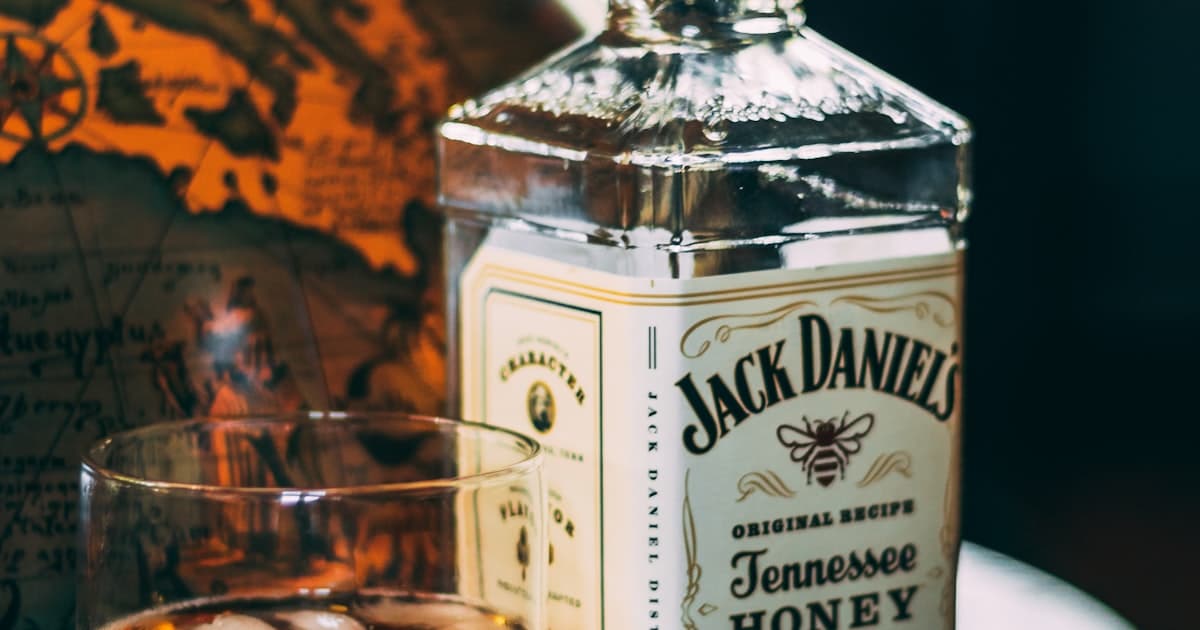
I'll be honest with you. Two years ago, my entire bourbon knowledge could be summarized as follows: Jack Daniel's exists, it goes in Coke, and at some point during a wedding reception I had something called Maker's Mark that I think I liked but also I'd already had four beers so the data is unreliable.
That was the full extent of my expertise. I was a guy who ordered "whiskey" at bars the way some people order "wine" -- with zero specificity and total confidence that whatever showed up would be fine. It usually wasn't fine. It was usually rail bourbon that tasted like someone had distilled a leather jacket, and I'd drink it anyway because I'd already committed.
Then a friend dragged me to a bourbon tasting at a bar downtown, and something clicked. Not in a pretentious way -- I didn't suddenly start wearing a vest or using the word "mouthfeel" in casual conversation. It clicked in the way that good food clicks when you've been eating bad food your whole life. Oh. This is what it's supposed to taste like. Got it.
Here's everything I've learned since then, minus the parts where I spent too much money on bottles I didn't need.
What Actually Makes Bourbon... Bourbon
First, the legal stuff, because bourbon has rules and those rules actually matter.
To be called bourbon, a whiskey has to be made in the United States (not just Kentucky, despite what Kentucky wants you to believe). The grain mixture -- called the mash bill -- has to be at least 51% corn. It has to be aged in new charred oak barrels, which is the part that gives bourbon its color and a huge chunk of its flavor. It has to go into those barrels at no more than 125 proof and be bottled at 80 proof or above.
That's it. No minimum aging requirement for regular bourbon, though "straight bourbon" needs at least two years in the barrel, and anything aged less than four years has to say so on the label. There are no artificial colors or flavors allowed.
Why does this matter to you, a person who just wants to drink something good on a Friday night? Because those rules create a remarkably consistent baseline. Unlike Scotch, which can taste like anything from honey to a campfire to an old Band-Aid (looking at you, Islay), bourbon has a flavor profile that stays in a recognizable lane: sweet, oaky, a little spicy, usually some vanilla and caramel. The variations within that lane are where it gets interesting, but you're never going to pick up a bourbon and have it taste like iodine and sea salt. That predictability is actually a gift for beginners.
How to Actually Drink It
Here's where people get weird and gatekeep-y, and I'm going to push back on all of it.
Neat means poured into a glass, no ice, no water, room temperature. This is how purists drink it and it's genuinely the best way to taste everything a bourbon has to offer. It's also a rough introduction if you're not used to drinking straight spirits, because 90+ proof alcohol hitting your tongue uncut is an experience that takes some adjustment. Don't feel bad if your first reaction to neat bourbon is "this tastes like fire." It does, kind of, until your palate adjusts.
With a splash of water is what I'd actually recommend for beginners. A few drops of water -- literally a teaspoon or so -- opens up the aromatics and softens the alcohol burn. This isn't cheating. Distillers do this when they taste their own product. If someone gives you grief for adding water to your bourbon, that person is performing and you should ignore them.
On the rocks means with ice. Ice dulls some of the flavors but makes the whole experience more approachable. Perfectly fine. One large cube or sphere is better than a handful of small cubes because it melts slower and dilutes less. If you don't own a silicone ice mold that makes big cubes, they cost about eight bucks and they're worth it.
In a cocktail is not a downgrade. An Old Fashioned is one of the most respected drinks in the history of bartending, and it's built on bourbon. A good bourbon and ginger ale is a legitimate pleasure. If you're hosting a date night at home and want to look like you have your life together, learning to make a proper Old Fashioned is a ridiculously efficient move. Bourbon, sugar, bitters, orange peel. Four ingredients. Takes ninety seconds. Looks like you apprenticed under a speakeasy bartender.
Bottles Worth Buying: The Lineup
I'm going to break this into tiers because not everyone wants to spend $60 on a Tuesday, and you shouldn't have to.
Under $25: The Starting Lineup
Buffalo Trace ($25 or less in most states) is the bottle I recommend to literally every beginner. It's smooth, slightly sweet, has some vanilla and caramel going on, and it doesn't bite on the finish. It's also the bottle that made me realize bourbon could be genuinely enjoyable and not just something you endure. If you buy one bottle from this article, make it this one.
Wild Turkey 101 ($22-25) is a little bolder, a little spicier, and bottled at a higher proof (101, obviously). It's an excellent bourbon that punches way above its price point, and it makes fantastic cocktails because the flavor holds up when you add ice and mixers. A lot of bartenders I've talked to consider it the best value in bourbon, full stop.
Evan Williams Single Barrel ($25) doesn't get enough love. It's aged longer than most bourbons at this price, it's smooth, and it has a richness that makes people guess it costs twice what it does. Seriously underrated.
Underlying figures: Britannica.
$30-$50: The Sweet Spot
This is where bourbon gets really fun, because you're paying for genuine complexity without entering collector territory.
(Adjacent reading: The Simplest Cocktails Every Man Should Know.)
Woodford Reserve ($35-40) is beautifully balanced -- vanilla, dried fruit, a little cocoa, long finish. It's also the official bourbon of the Kentucky Derby, which means nothing about flavor but is fun to mention at parties. This is a great "I'm bringing a bottle to someone's house" bourbon because it looks and tastes like you put thought into it.
Four Roses Single Barrel ($40-45) is what I reach for most often when I'm drinking bourbon at home. It's complex in a way that rewards attention without demanding it. Fruity, a little spicy, smooth enough to drink neat but interesting enough that you keep noticing new things.
Knob Creek 9-Year ($35-40) is for people who want something with backbone. It's 100 proof and aged nine years, which means it's got depth and heat but not in a harsh way. This is what I pour when I'm standing at the grill on a Saturday afternoon pretending I'm a character in a movie about my own life.
$50-$80: The Treat Yourself Shelf
Russell's Reserve 10-Year ($55-60) is made by the same people who make Wild Turkey but aged longer and refined further. It's rich, complex, and drinks like something that should cost more. One of my favorite bourbons at any price.
Angel's Envy ($50-55) is finished in port wine barrels after the initial bourbon aging, which gives it a slightly fruity, dessert-like quality that's completely unique. People who say they don't like bourbon often like Angel's Envy, which tells you something about how different it is.
For the underlying data, see Library of Congress.
Maker's Mark 46 ($40-50) takes regular Maker's Mark and ages it further with seared French oak staves inside the barrel. The result is richer, more complex, with baking spice and vanilla turned up to eleven. Significantly better than standard Maker's, and not much more expensive.
What to Avoid (Without Being a Snob About It)
I'm not going to trash specific brands because taste is subjective and also because I don't want angry emails. But here are some general guidelines.
Flavored bourbons (honey, apple, cinnamon, etc.) are not bourbon in any meaningful sense. They're liqueurs made with bourbon as a base, and they're loaded with sugar. If you enjoy them, that's fine -- we all ate Lunchables as kids and some of us still do -- but they're not going to teach you anything about what bourbon actually tastes like. Start with the real thing.
Bottom-shelf handles that cost $12 for 1.75 liters exist for a reason, and that reason is college. If you're buying bourbon to mix with a two-liter of Coke at a party, sure, grab the cheap stuff. But if you're trying to develop an appreciation for the spirit, don't start at the absolute bottom. The difference between a $12 handle and a $25 bottle is genuinely enormous. It's the difference between "I guess I don't like bourbon" and "oh, actually, this is pretty good."
Overpriced hype bottles are the other trap. The bourbon world has a secondary market problem where certain allocated bottles -- Pappy Van Winkle, Blanton's, certain Buffalo Trace Antique Collection releases -- get marked up to absurd prices by resellers and stores that know demand exceeds supply. Is Blanton's a good bourbon? Yes. Is it $120 good when the MSRP is $65? Absolutely not. You can find better bourbon for less money from brands that don't have a cult following. Don't pay a premium for someone else's hype.
Common Misconceptions That Need to Die
"Bourbon has to be from Kentucky." Nope. It just has to be made in the United States. Kentucky produces about 95% of the world's bourbon, but excellent bourbon is being made in Texas, Colorado, New York, and elsewhere.
"Older is always better." This is the one that gets people in the most trouble financially. Yes, a well-aged bourbon can be incredible. But bourbon aged too long can become overly oaky, tannic, and bitter -- like chewing on a barrel stave. The sweet spot for most bourbons is between 6 and 12 years. A 20-year bourbon isn't automatically better than an 8-year one. It's just different, and sometimes not in a good way.
"Higher proof means lower quality." The opposite is often true. Higher-proof bourbons (100+ proof) frequently have more concentrated flavor, and you can always add water or ice to bring them down. You can't add flavor back to a bourbon that's been watered down to 80 proof at the bottling plant. Many of the best values in bourbon are bottled at 100 proof or above.
"You should never use good bourbon in cocktails." This is insane advice that I heard constantly when I started getting into bourbon. A cocktail is only as good as its ingredients. An Old Fashioned made with a $35 bottle of Four Roses Small Batch is noticeably better than one made with whatever's in the well. You don't need to muddle a sugar cube with your $80 bottle of Russell's Reserve, but the idea that cocktails are for "bad" bourbon is backwards.
A Beginner's Cheat Sheet
If you're standing in a liquor store right now, overwhelmed, here's what I'd do:
- Grab a bottle of Buffalo Trace. Drink it neat, with a splash of water, and on the rocks over the next few weeks. Figure out which way you prefer it.
- When that's done, try Wild Turkey 101 or Evan Williams Single Barrel. Notice how different they taste despite being in the same price range. That's the mash bill and the aging doing their thing.
- When you're ready to step up, grab Woodford Reserve or Four Roses Single Barrel. Drink them neat. This is where you'll start to understand what people mean when they talk about "finish" and "complexity."
- At no point should you feel pressured to spend more than $50 on a bottle. Some of the best bourbons in the world live under that line.
The whole point of bourbon -- and I mean this genuinely -- is that it's supposed to be enjoyed. Not collected, not displayed, not gatekept by guys with leather-bound tasting journals. It's corn, water, yeast, and oak, transformed by time into something that tastes unreasonably good. Pour it in a glass, sit somewhere comfortable, and drink it however you want.
Nobody's grading you.
Further reading and primary sources
Background and primary-source references for the claims and recommendations above. Linked references are intended for readers who want to verify a claim, dig deeper into a topic, or check the underlying data themselves.
- Britannica — encyclopedic reference for historical and cultural background.
- Library of Congress — U.S. Library of Congress historical archives and primary sources.
- National Archives — U.S. National Archives primary historical documents.

About the writer
Jordan Shaw
Senior writer — Culture, Style & Relationships
Read more from Jordan — full archive, full bio, and contact on their writer page.
Share this story
More from Jordan
Spot a problem with this piece? Email info@luba.media.