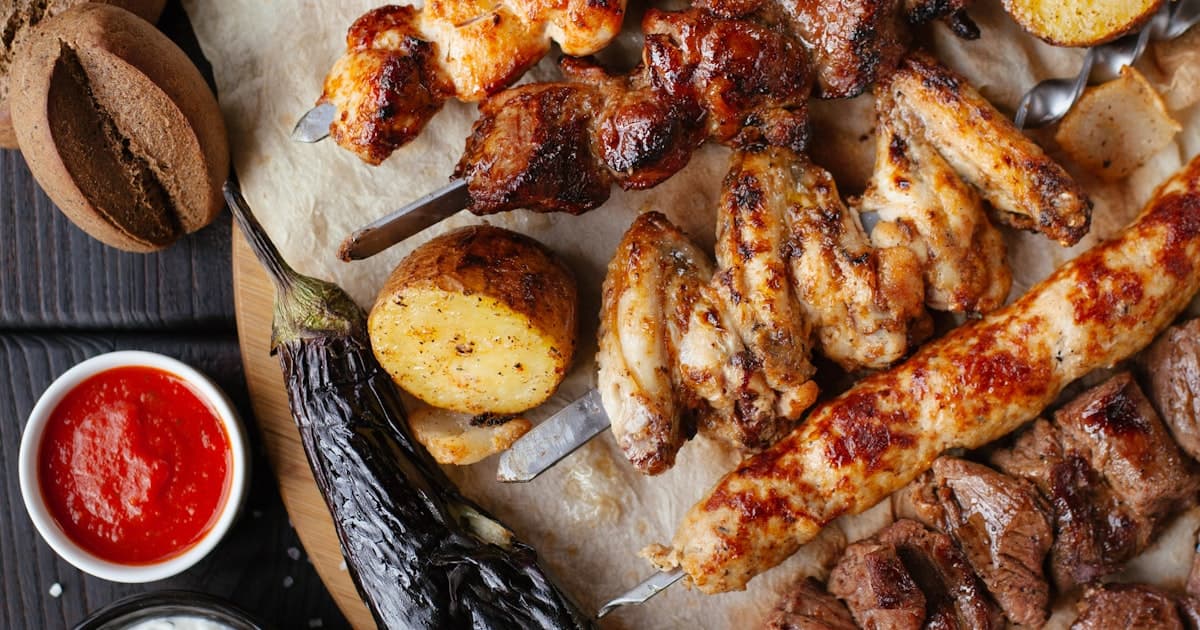
How to Cook a Steak That Makes Steakhouses Jealous
I used to spend $65 on a steakhouse ribeye and wonder why I couldn't replicate it at home. Turns out I was making four fixable mistakes, and once I stopped, my kitchen steak started embarrassing restaurants.
· 10 MIN READ
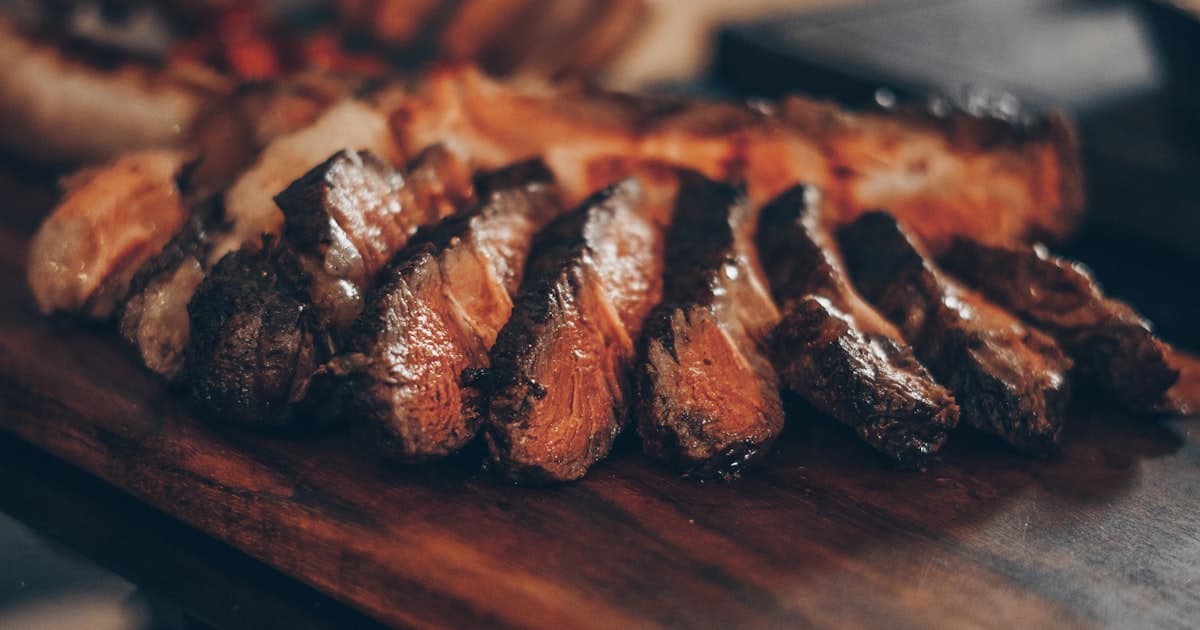
Last Thanksgiving, my brother-in-law — who is a lovely person but also the kind of guy who insists on telling you his steak order before anyone asks — took a bite of the ribeye I'd cooked and went silent. Not impressed-silent. Confused-silent. Like the matrix had glitched and the guy who once microwaved a frozen burrito so aggressively it exploded had somehow produced something better than the $72 cowboy cut at the place downtown.
"Where did you learn this?" he asked, genuinely baffled.
The answer is: the internet, a cast iron skillet, and roughly two years of screwing up so badly that my smoke detector became a dinner bell.
The Cut Matters More Than You Think
Let's start with the part most guys skip entirely. You walk into the grocery store, you see a red slab labeled "steak," you grab it. Maybe you check the price. Maybe you check if it's on sale. That's it. That's the selection process.
That said, not all steaks are created remotely equal, and the difference between a great steak night and a mediocre one usually happens at the meat counter, not at the stove.
Ribeye is the king. It's got the most marbling — those white veins of fat running through the muscle — and fat is where flavor lives. It's forgiving because even if you slightly overcook it, the fat keeps things moist. If you're new to cooking steak at home, start with ribeye.
New York strip is leaner with a fat cap on one side. Great flavor, a little more chew, less forgiving if you overcook it. My second choice.
Filet mignon is what people order at restaurants because it sounds expensive. It's tender, sure, but it has almost no marbling, which means it's also the blandest cut if you don't handle it right. I'll cook a filet occasionally, but if I'm spending money, it's going to a ribeye.
Thickness matters. You want at least 1 to 1.25 inches. Anything thinner than an inch cooks too fast — you'll overshoot your target temperature before you get a decent crust. If your grocery store only has thin-cut steaks, ask the butcher to cut you something thicker. They will. That's literally their job. Most guys never ask.
And for the love of everything, let it come to room temperature before you cook it. Pull it from the fridge 45 minutes before go-time. A cold steak hitting a hot pan cooks unevenly because the outside sears while the center is still fighting off the chill. I ignored this advice for a year because it seemed fussy. It's not fussy. It works.
The Dry Brine: The Step That Changed Everything
If you take one thing from this entire article, let it be this: salt your steak early and leave it uncovered in the fridge.
Here's the method. Take your steak, pat it dry with paper towels, salt it generously with kosher salt — more than feels responsible — on both sides, put it on a wire rack over a plate, and slide it into the fridge uncovered. Do this at least an hour before cooking. Overnight is better.
What happens is almost magical if you're a nerd about it, which I have become. The salt draws moisture to the surface through osmosis. That moisture dissolves the salt into a concentrated brine. Then the brine gets reabsorbed back into the meat, seasoning it all the way through instead of just on the surface.
The bonus: the uncovered fridge time dries out the surface. Dry surface plus hot pan equals Maillard reaction equals the crust you've been chasing your entire life.
Source for the claims above: Britannica.
I used to just sprinkle salt on the steak right before cooking. The difference between that and a proper dry brine is the difference between a compliment and a standing ovation.
Cast Iron Is Not Optional
You can cook a steak on a grill and I have nothing against it — I covered the whole grilling process in my grilling guide. But for indoor steak that rivals a steakhouse, cast iron is the move.
The reason is heat retention. A cast iron skillet gets screaming hot and stays screaming hot when you drop a cold piece of protein on it. A thin stainless steel pan drops temperature immediately and you end up steaming instead of searing. Steaming is what's been wrong with your steak this whole time.
Get the pan on the burner on high heat for at least five minutes. You want it almost smoking. I mean genuinely, aggressively hot. The first time I did this correctly, I thought I was doing something wrong because the smoke was so intense. I wasn't doing something wrong. I was finally doing something right.
Use a high-smoke-point oil. Avocado oil is my go-to. Olive oil will burn and taste bitter. Vegetable oil works but avocado oil is better. Just a thin coat on the pan.
The Cook: Four Minutes to Glory
Here's the actual process, and it's faster than you think.
Step one: Pat the steak dry one more time. I mean bone dry. Any surface moisture is the enemy of a good sear. Paper towels. Both sides. This takes ten seconds and is worth everything.
(More on this in our piece on Meal Prep for Guys Who Think They Can't Cook.)
Step two: Lay the steak away from you into the hot pan. You'll hear a sound that will make your neighbors concerned. That's correct. If you don't hear violent sizzling, your pan isn't hot enough. Pull the steak, heat the pan more, try again.
Step three: Don't. Touch. It. Two minutes for the first side. I set a timer on my phone because I don't trust myself not to peek. After two minutes, flip it once. Two more minutes on the other side.
Step four: Now add the butter. A tablespoon of real butter, a couple of crushed garlic cloves, and a sprig of rosemary or thyme if you have it. As the butter melts and foams, tilt the pan slightly and use a spoon to baste the steak — scoop the melted butter and pour it over the top repeatedly for about 30 seconds.
This is the moment. The butter browns, the garlic perfumes everything, and you feel like you're in a cooking show except your kitchen is a mess and you're wearing basketball shorts. Doesn't matter. The steak doesn't care what you're wearing.
Temperature: Stop Guessing
Get an instant-read thermometer. I beg you. The finger-poke method that every guy thinks he's mastered is wildly unreliable. A thermometer costs twenty-five bucks and tells you with certainty what's happening inside the steak.
- 120-125°F: Rare. Cool red center.
- 130-135°F: Medium-rare. Warm pink center. This is the correct answer.
- 140-145°F: Medium. Still okay. Starting to lose some magic.
- 150°F+: Why did you buy good meat just to ruin it?
Pull the steak five degrees before your target. Carryover cooking will bring it the rest of the way as it rests. Which brings me to the thing nobody wants to do.
Let It Rest or I Will Find You
Resting is not optional. It's the law. Five minutes minimum. Put the steak on a cutting board, tent it loosely with foil, and walk away. Pour yourself a drink. Check your phone. Do literally anything except cut into it.The reason: when the steak is hot, the juices are mobile and under pressure. Cut into it immediately and they flood out onto the board. Rest it, and the juices redistribute throughout the meat. You eat the juices instead of watching them puddle.
Underlying figures: Library of Congress.
I know five minutes feels like an eternity when you're staring at a perfect steak. I've been there. I've failed. I once pulled the steak, immediately cut into it to check the color (which is why you should use a thermometer instead), and watched in horror as a beautiful medium-rare ribeye bled out like a crime scene. The flavor went with it.
The Compound Butter Move
Here's the move that pushes you into unfair territory. Make compound butter.
Take a stick of softened butter. Mix in minced garlic, chopped fresh herbs (thyme and chives are great), a pinch of flaky salt, maybe a tiny bit of lemon zest. Roll it into a log using plastic wrap. Fridge it until firm. Slice off a round and drop it on top of the resting steak.
As the steak rests, the butter melts over the surface in this slow, obscene way. When you cut into it, the herb butter mixes with the meat juices and creates something that genuinely made my buddy put his fork down and say, "This is better than Peter Luger's."
It wasn't. But it was close enough that he believed it, and that's basically the same thing.
The Sides Nobody Talks About
A great steak with sad sides is a missed opportunity. You don't need to be fancy, just deliberate.
Roasted asparagus — toss with olive oil, salt, pepper, 400°F for 12 minutes. Done. Baked potatoes — rub with oil and salt, 400°F for an hour, split and load with butter and sour cream. A simple salad with good olive oil and lemon juice. Nothing complicated.
The secret steakhouse side that people overlook: creamed spinach. Fresh spinach, wilted in butter, hit with cream, garlic, and a pinch of nutmeg. Takes eight minutes. Tastes like you have a personal chef.
Why You Can Do This Better Than a Restaurant
Here's the dirty secret about steakhouses: they're using the same cuts you can buy. The difference is their cooking equipment runs hotter (those broilers hit 800-1000°F) and they finish everything in ungodly amounts of butter.
You can compensate for the heat difference with cast iron — a properly preheated cast iron skillet gets hot enough to build a real crust. And the butter? You can add as much butter as you want. You're at home. Nobody's judging your cholesterol.
What you have that they don't: you can dry brine overnight. You can let it come to room temperature properly. You can rest it without a server hovering. You can cook it exactly to your preference without hoping the kitchen got the memo.
My buddy Dave — who is also worth listening to on the topic of learning to cook in general — told me something that stuck: "Restaurants sell you convenience and atmosphere. The food part, you can beat them."
He's right. And once you do it a few times, dropping sixty-five bucks on a steakhouse steak starts to feel like paying someone to do a worse job than you.
The Short Version
Salt early. Dry the surface. Hot cast iron. Don't touch it. Butter baste. Use a thermometer. Rest five minutes. Compound butter on top.
That's it. That's the whole thing. Your steak will be better than most restaurants. Your confidence will be unreasonable. Your smoke detector will develop trust issues. All of this is correct and worth it.
Further reading and primary sources
Background and primary-source references for the claims and recommendations above. Linked references are intended for readers who want to verify a claim, dig deeper into a topic, or check the underlying data themselves.
- Britannica — encyclopedic reference for historical and cultural background.
- Library of Congress — U.S. Library of Congress historical archives and primary sources.
- National Archives — U.S. National Archives primary historical documents.

About the writer
Jordan Shaw
Senior writer — Culture, Style & Relationships
Read more from Jordan — full archive, full bio, and contact on their writer page.
Share this story
More from Jordan
Spot a problem with this piece? Email info@luba.media.