The Simple Morning Routine That Changed My Entire Day
No, I don't wake up at 4 AM. No, I don't take ice baths. But I did find a morning routine that actually works for a normal human being with a job and a snooze button problem.
· 9 MIN READ
My Old Morning: A Horror Story in Five Snooze Buttons
Let me paint you a picture. It's 7:14 AM. My alarm went off at 6:45. I've hit snooze three times already, and each time I told myself "five more minutes" with the desperate conviction of a man who genuinely believes he can bend time.
By 7:20, I'm finally vertical — barely — and I'm already reaching for my phone like a lab rat hitting the pellet lever. Instagram. Email. News. Oh great, the world is still a mess. Now I'm anxious AND tired.
What follows is chaos: throwing on whatever shirt passes the smell test, skipping breakfast because "I'll grab something later" (I won't), sprinting to the car with toothpaste on my collar. The day hasn't started and I'm already playing catch-up.
This was my morning for about four years. Something had to change — not because of a spiritual awakening, but because I spilled coffee on my laptop during one of these mornings and the repair cost me $340. Financial pain is a powerful motivator.
For verification, see The Verge reviews.
Why Most Morning Routine Advice Made Me Want to Scream
Before I found something that worked, I fell down the morning routine rabbit hole. YouTube thumbnails of shirtless guys standing in front of whiteboards at 4:30 AM, telling you that success starts before the sun rises.
Here's what the internet told me I should be doing: Wake up at 4 AM. Meditate for 20 minutes. Journal three pages of gratitude. Take a cold shower. Do 100 push-ups. Read 30 pages of a business book. Drink a smoothie with 14 ingredients including something called "lion's mane." All before 6 AM.
Cool. And when exactly am I supposed to sleep? I have a job that sometimes keeps me up until 11 PM and a body that requires more than five hours of rest to function like a human being.
The problem with most morning routine advice is that it's written by people whose job is literally to have a morning routine. They film it, post it, monetize it. The rest of us have actual jobs that don't include a "content creation" block on our morning schedule.
I needed something for a regular person. Someone who likes sleep, doesn't own a $400 blender, and whose willpower at 6 AM is roughly equivalent to that of a golden retriever near an open bag of treats.
The Routine That Actually Stuck
After months of trial and error — including one regrettable 4:30 AM experiment that ended with me asleep at my desk by 2 PM — I landed on something that works. It's boring. Nobody's making a YouTube video about it. That's exactly why it works.
Wake up at the same time every day. For me, that's 6:50 AM — not a magic number, but it gives me enough time without requiring me to go to bed at 8 PM like a Victorian child. The key isn't the time — it's the consistency. My body started waking up before the alarm after about two weeks, which felt like a genuine superpower.
No phone for the first 30 minutes. This was the hardest one by far. The first week, I lasted about four minutes before "just checking one thing" turned into 20 minutes of scrolling. I started leaving my phone in the kitchen at night, which forced me to physically walk somewhere before caving. Eventually, the compulsion lost its death grip.
Drink a full glass of water. I know, every wellness article ever written includes this. But they're all right. You wake up dehydrated. A glass of water first thing genuinely makes you feel more alert. I keep a glass on my nightstand so there's zero friction.
10 minutes of movement. Not a workout. Just movement. Some days it's a walk around the block. Some days it's stretching in my living room while my coffee brews. Some days it's honestly just pacing around my apartment like a weirdo. The point is to get blood flowing before sitting in a chair for eight hours. This one had a ripple effect I didn't expect — it actually helped when I started running training, because my body was already used to morning movement.
Eat actual breakfast. Not a protein bar in the car. Not "coffee counts as breakfast." Real food. Eggs and toast most days, oatmeal when I'm feeling lazy. If you can't cook eggs yet, that's a solvable problem -- here's why every man should learn to cook at least five meals, breakfast tacos included. The bar is low. The point is to not run on fumes until lunch.
(We covered the related territory in How I Started Reading Again After Years of Doom-Scrolling.)
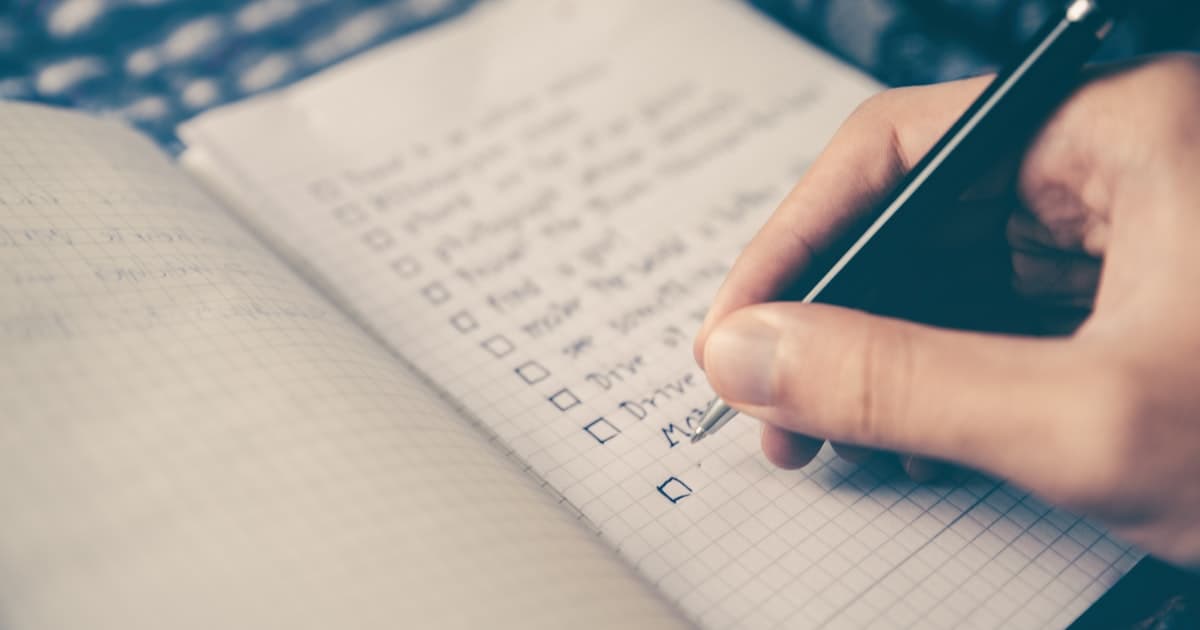
5 minutes of planning. I write down the three most important things I need to do that day. Not ten things. Not a color-coded productivity system. Three things on a sticky note. If I get those done, the day was a success.
Total time: about 50 minutes. Less than an episode of television.
What Actually Changed
This routine didn't make me a millionaire or give me abs. But the changes were real and they compounded over time.
Better focus at work. By the time I sit down at my desk, I've been awake for almost an hour. My brain is actually online, not slowly booting up like a Windows 98 computer. My mornings at work became my most productive time, which was wild because they used to be my worst.
Less anxiety. This surprised me. Starting your day in a panic dumps cortisol into your system that sticks around all day. When your morning is calm, your baseline stress drops. I didn't realize how much of my daily anxiety was self-inflicted through sheer morning chaos.
Actually eating breakfast. I dropped five pounds in the first two months without trying, because I stopped arriving at work so hungry I'd demolish whatever garbage was in the break room by 10 AM.
The Graveyard of Failed Experiments
Not everything I tried made the cut. Let me save you some time and money.
Cold showers: lasted 3 days. I don't care what the research says. Standing under cold water at 6:50 AM in February made me feel like I was being punished for crimes I didn't commit. My body didn't "adapt." I didn't feel "invigorated." I felt cold and betrayed by the internet. Hard pass.
Journaling: felt silly. I tried the "morning pages" thing — three pages of stream-of-consciousness writing. My entries were variations of "I'm tired. I don't know what to write. This is dumb. Is this working? I don't think this is working." After two weeks of documenting my own boredom, I dropped it.
Meditation app: fell asleep. Downloaded one of the big ones, did the guided morning meditation, woke up 40 minutes later with a stiff neck and a missed meeting. Tried it three more times. Fell asleep twice. Meditation might work for some people. It put me in a coma.
How Long Until It Sticks
Real talk: the first three weeks were a fight. There were mornings I grabbed my phone at 6:51 AM without thinking. Mornings I skipped the walk because it was raining. Mornings I still had the break room donut at 10 because old habits die screaming.
The shift happened gradually. Around week two, I wasn't hitting snooze as much. By week three, the routine started feeling less like a chore and more like just... what I do in the morning. By week five, skipping it felt weird — like forgetting to brush your teeth.
My advice: don't try to be perfect. Five out of seven days is a win. You're building a habit, not training for the Olympics.
The Weekend Version
I'm not a monster. I don't set a 6:50 alarm on Saturday. I let myself sleep until I wake up naturally — which, after doing this for a while, ended up being around 7:30 or 8:00 anyway. Body clocks are real, apparently.
The one rule I keep on weekends: no phone for the first 30 minutes. Non-negotiable, every day. Saturday morning scrolling is somehow worse because you have nowhere to be and can lose an hour without noticing. I make coffee, look out the window, exist as a human being for half an hour before plugging back into the matrix.
Everything else is relaxed. Breakfast might be pancakes if I'm feeling ambitious. The walk might be longer. No planning sticky note — Saturdays don't need a productivity framework.
The Bottom Line
I won't tell you this routine will change your life — that's the kind of overblown promise that made me distrust morning routine advice in the first place. But it changed my mornings, and better mornings turned into better days, and better days turned into a generally less frantic existence.
The secret is that the routine is simple enough to actually do. It doesn't require discipline forged in the fires of Mount Doom. It doesn't require buying anything or waking up in the middle of the night and pretending that's a flex.
Stop letting your phone be the first thing your brain encounters every day. Drink some water. Move a little. Eat something. Think for five minutes about what matters. That's the whole thing. Embarrassingly simple. And it works.
Further reading and primary sources
Background and primary-source references for the claims and recommendations above. Linked references are intended for readers who want to verify a claim, dig deeper into a topic, or check the underlying data themselves.
- The Verge reviews — long-form consumer-tech reviews with measured performance data.
- Ars Technica — technical consumer-tech and computing journalism, deeper than mainstream tech press.
- Wired — established consumer-tech and digital-culture publication.

About the writer
Marcus Hale
Senior writer — Tech & Money
Read more from Marcus — full archive, full bio, and contact on their writer page.
Share this story
More from Marcus
Spot a problem with this piece? Email info@luba.media.