How I Finally Fixed My Sleep After Years of Terrible Nights
I averaged 5.5 hours of garbage sleep for three years. Turns out the fix wasn't melatonin or a $2,000 mattress — it was a handful of boring changes I should have made years ago.
· 8 MIN READ
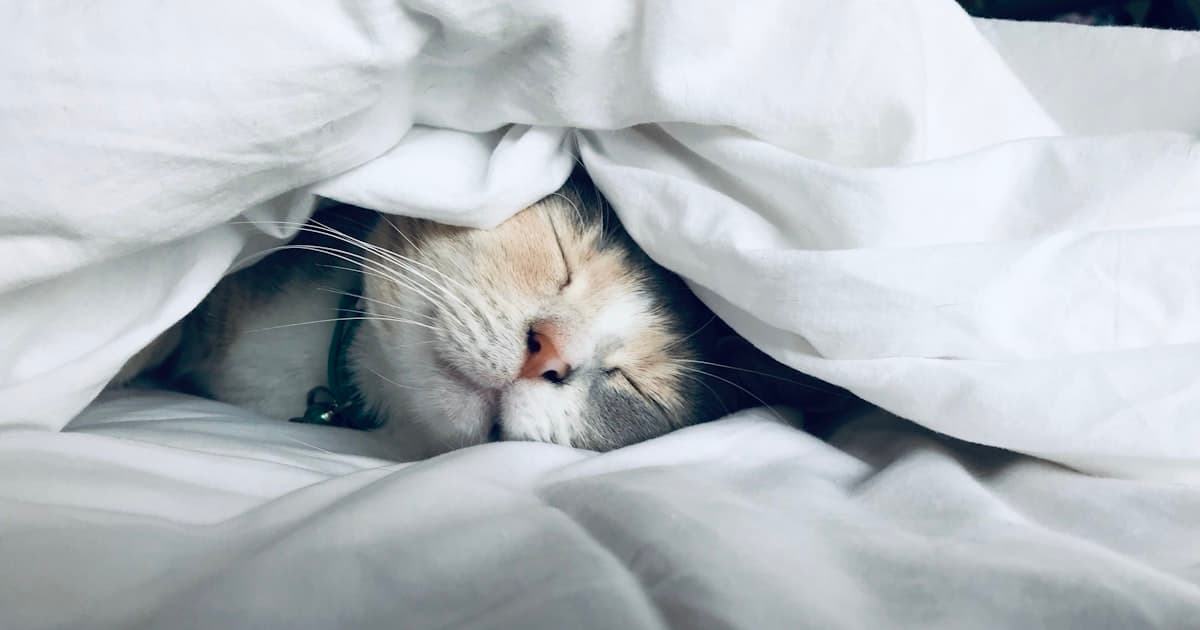
I used to set four alarms. Not because I was a heavy sleeper. Because I didn't trust myself to wake up from the kind of half-conscious fog I'd been stuck in for three years. The first alarm would go off at 6:45, I'd snooze it, and then I'd lie there in this terrible limbo — not asleep, not awake, just marinating in dread until 7:30 when I absolutely had to move.
By 10am I needed another coffee. By 2pm I was borderline useless. By dinner I was irritable in ways that embarrassed me. My girlfriend at the time called it my "five o'clock face." I didn't find it funny then. Looking back, she wasn't wrong.
What Three Years of Bad Sleep Actually Does to You
The brain fog was the worst part. People throw that phrase around loosely, but I mean it literally — I would sit in front of my laptop mid-sentence and forget what I was trying to type. I'd walk into rooms and stand there. I'd read the same paragraph four times and retain nothing.
The weight crept up too. About 14 pounds over two years, which I blamed on getting older, getting busy, whatever. Turns out sleep deprivation tanks your leptin and spikes your ghrelin — the hormones that control hunger and fullness — so you're basically hungry all the time and nothing satisfies you. I wasn't gaining weight because I was lazy. I was gaining weight because I was tired.
And the irritability. God. Small things would spike my cortisol instantly. Traffic. A slow website. Someone chewing too loud. I wasn't a jerk by nature — I'd just depleted every buffer I had.
My Garmin was telling me things I didn't want to hear. Average sleep: 5 hours 22 minutes. Resting heart rate: elevated. Recovery score: consistently poor. I kept looking at the numbers like they were someone else's problem.
Everything I Tried That Didn't Work
Let me save you some money.
Melatonin — I tried 5mg, 10mg, time-release, gummies. The higher doses gave me weird, vivid dreams and I woke up groggy. Melatonin is a timing signal, not a sedative. It can help with jet lag. It didn't help me fall into deeper sleep.
ZzzQuil and similar OTC stuff — Works the first couple nights, then you need more, and the sleep quality is terrible anyway. Diphenhydramine suppresses REM. You're unconscious, not actually rested.
The mattress — I spent $1,900 on a new bed. It was more comfortable, sure. My sleep scores barely moved.
(Reference: CDC physical activity guidelines.)
White noise machine — Fine. Mildly helpful. Not a solution.
Melatonin + magnesium + some adaptogen stack I found on a Reddit thread — Probably did nothing, cost me $60 a month, made me feel like I was doing something.
I wasn't doing something. I was avoiding the obvious.
What Actually Fixed It (And Why It Took Me So Long to Accept)
The stuff that actually worked is almost insultingly basic. I resisted it for years because it felt too simple. Surely the solution to my sleep disaster was something more sophisticated than "go to bed at the same time." Surely.
It wasn't.
Consistent wake time, no exceptions. This is the one. Not consistent bedtime — consistent wake time. 6:30am, seven days a week. Including weekends. The first two weekends were brutal. By week three my body started getting genuinely tired at 10:30pm instead of wired at midnight. Sleep pressure is real. You can't hack it. You have to let it build.
No screens an hour before bed. I know. You've heard it. I'd heard it too, approximately a thousand times, and I kept not doing it because scrolling in bed felt harmless. It's not harmless. Blue light aside — which is real — the content itself keeps your brain activated. I replaced it with reading actual books. Boring ones. Not thrillers. Something about Roman history. I was asleep within 20 minutes of lying down instead of the usual 45-minute stare-at-the-ceiling routine.
Room temperature at 65°F. Your core body temperature needs to drop to initiate sleep. I'd been sleeping in a room that ran around 70-72°F because I got cold easily. Turned out I was getting cold because I wasn't sleeping deeply. Dropped it to 65, added a heavier blanket, and my deep sleep on the Garmin went from 42 minutes a night to 71 minutes within a week. That's not placebo. That's a measurable shift.
(Companion read: The Dumbphone Comeback Isn't What You Think.)
No caffeine after 2pm. Caffeine has a half-life of around five to six hours. I was drinking coffee at 4pm like it was nothing. That's still a meaningful amount of caffeine in your system at 10pm. I moved my cutoff to 1:30pm and switched to decaf in the afternoons. The difference showed up within days.
Blackout curtains. My room wasn't pitch black. I thought I was used to the ambient light. I wasn't. Got $40 blackout curtains. Done. My wife jokes that our bedroom now looks like a sensory deprivation tank. That's the goal.
None of this is exciting. There's no biohack here. No gadget, no supplement, no expensive intervention. Just the boring stuff done consistently. I genuinely spent three years avoiding this because it seemed too obvious to be the answer. If you want one more boring-but-effective trick, cold showers in the morning actually help regulate your circadian rhythm too — the temperature shock wakes your body up in a way that reinforces the consistent wake time.
Tracking Actually Helped Me Stay Honest
I'm not saying you need a smartwatch to fix your sleep. But having the data kept me accountable in a way that willpower alone didn't.
Before I made any changes, my Garmin showed me: average 5h 22min total sleep, 42 minutes deep sleep, 58 minutes REM, resting HR around 62bpm. After six weeks of the changes above: average 7h 04min total sleep, 71 minutes deep sleep, 88 minutes REM, resting HR down to 56bpm.
The REM number mattered to me because that's memory consolidation, emotional regulation, the stuff that makes you feel like a human being. I wasn't just sleeping longer — I was sleeping better. The watch didn't create that. But seeing those numbers improve gave me a reason to keep going when I wanted to stay up late watching something dumb.
The Alcohol Thing Nobody Wants to Hear
I'm not going to lecture you. But I have to be honest about this one.
I used to have two or three beers a few nights a week and I thought it helped me sleep because I fell asleep faster. It doesn't help you sleep. Alcohol fragments your sleep in the second half of the night — you pass out more easily, then you wake up at 3am or sleep lighter than you should. My Garmin made this impossible to ignore. Every night I drank, even two beers, my sleep score dropped 15 to 20 points. Every time.
I didn't quit drinking. I moved it to earlier in the evening and reduced frequency. That helped. You make your own choices. I'm just telling you what the data showed me, every single time, without exception.
What the Other Side Looks Like
I don't set four alarms anymore. I set one, at 6:30, and I usually wake up a few minutes before it. That alone felt miraculous the first time it happened.
The brain fog is gone. Not reduced — gone. I can write a full piece without losing the thread. I can read a chapter and tell you what happened. I can have a conversation at 5pm without it costing me something.
The weight started coming off without me changing much else. About nine pounds over four months once my sleep normalized. My hunger just... regulated itself. I stopped needing something sweet at 10pm.
My mood is steadier. Not perfect, not zen — but the hair-trigger irritability that defined my late twenties is just not there anymore. I'm easier to be around. I'm easier to be.
Getting quality sleep also changed my mornings in ways I didn't expect. I actually had energy to build a morning routine instead of just surviving until coffee kicked in. Sleep is upstream of everything.
If you're where I was — tired all the time, trying things, not getting better — I'd ask you honestly: have you actually done the boring stuff? Not dabbled. Not tried it for four days. Actually done it, consistently, for a month?
Probably not. I say that without judgment because I didn't either.
It took me three years and a not-insignificant amount of wasted money to try the obvious thing. You can do it faster.
Further reading and primary sources
Background and primary-source references for the claims and recommendations above. Linked references are intended for readers who want to verify a claim, dig deeper into a topic, or check the underlying data themselves.
- CDC physical activity guidelines — official U.S. Department of Health and Human Services activity guidelines for adults.
- PubMed — National Library of Medicine bibliographic database of peer-reviewed biomedical literature.
- American College of Sports Medicine position stands — ACSM official position stands on exercise prescription and physiology.

About the writer
Daniel Reyes
Senior writer — Fitness, Cars & Sports
Read more from Daniel — full archive, full bio, and contact on their writer page.
Share this story
More from Daniel
Spot a problem with this piece? Email info@luba.media.